 ultimate-guide
What Does Asbestos Look Like on Ceilings? UK Guide
Table of Contents
- What Does Asbestos Look Like on Ceilings?
- How to Identify Artex Containing Asbestos
- The Health Risks of Asbestos Exposure in the Home
- Is It Safe to Cover Asbestos Ceilings?
- Stretch Ceiling Installation Over Artex: What to Expect
- When to Call a Professional: Testing and Removal
- Frequently Asked Questions
Last Updated: September 27, 2026
What Does Asbestos Look Like on Ceilings?
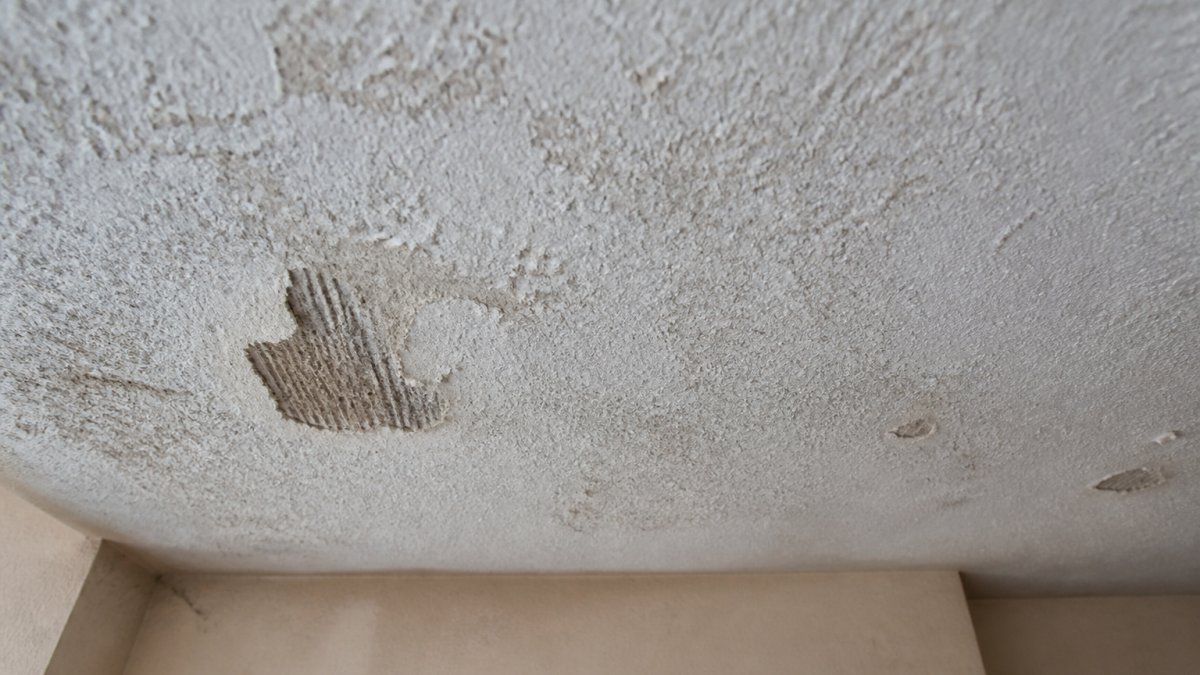
Asbestos on ceilings typically appears as a white, grey, or off-white textured coating, often with a swirl, stipple, or fan pattern, though the fibres themselves are invisible to the naked eye. This guide from Stretcharama explains what homeowners can reasonably look for, and why appearance alone never confirms whether a ceiling contains asbestos.
The most common form in older homes is Artex, a decorative textured finish widely applied from the 1950s through the 1980s. It was frequently mixed with white asbestos to add strength and fire resistance before the practice was banned. The pattern you see is the plaster finish, not the asbestos. The dangerous fibres sit inside the dried coating, which is why a painted-over ceiling tells you almost nothing about what lies beneath.
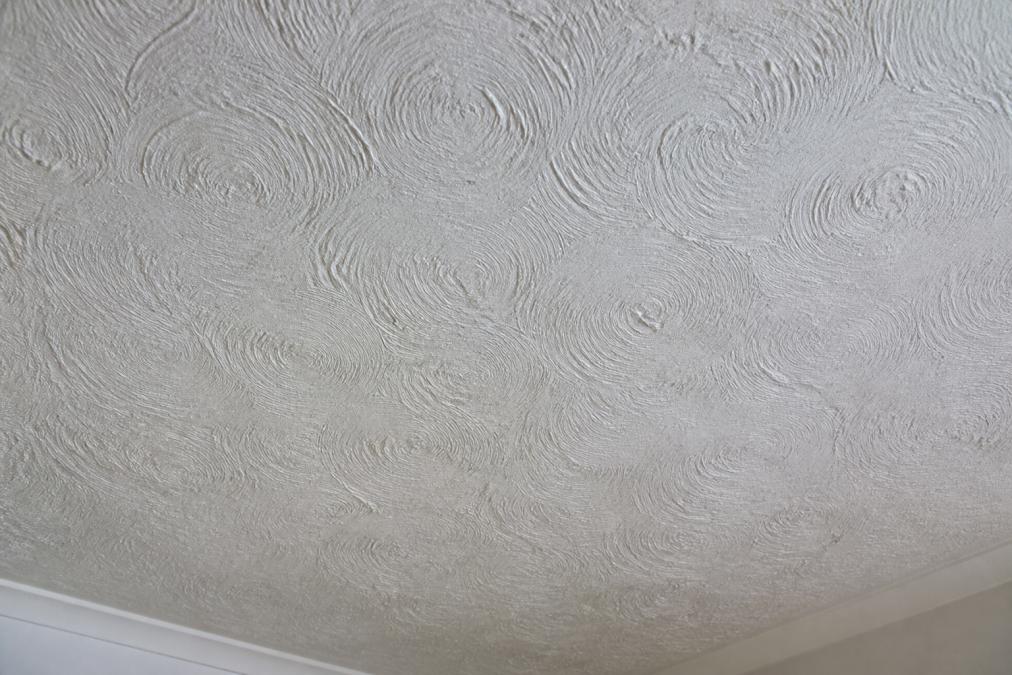
Common Textures and Patterns to Look For
Ceilings that may contain asbestos usually carry one of a few recognisable finishes:
- Swirl or fan patterns, where a brush or comb dragged the wet coating into curved ridges
- Stipple or "cottage cheese" texture, applied with a roller or spray
- Roughcast or pebble-dash style finishes with a raised, uneven surface
- Panel or square patterns stamped into the coating
Age is the strongest clue. A common mistake is assuming that any textured ceiling is contaminated, or that a smooth one is safe. A flat painted ceiling can still conceal an asbestos coating underneath.
Why Visual Identification Is Never Definitive
No photograph, texture, or pattern can confirm asbestos. Different coatings look identical whether they contain fibres or not, and painted surfaces hide the original material entirely.
The only reliable answer comes from laboratory analysis of a sample. Treat any pre-2000 textured ceiling as a potential risk until testing proves otherwise.
How to Identify Artex Containing Asbestos
Identifying Artex containing asbestos comes down to two things: the age of the ceiling and documentary evidence, not appearance. If your ceiling was textured before the year 2000, assume it could contain asbestos until a test says otherwise.
Age of the Ceiling and Building Records
Asbestos was not fully banned in the UK until 1999, so any textured ceiling installed before then is a candidate. Building records, renovation receipts, or a previous survey report can narrow this down. If the ceiling was added in the 1980s, the odds rise considerably.
Professional Testing vs DIY Kits
Professional testing involves a trained surveyor taking a small sample under controlled conditions and sending it to an accredited laboratory. DIY kits exist, but sampling a ceiling yourself risks releasing fibres and often produces inconclusive results if the wrong section is taken.
The Health Risks of Asbestos Exposure in the Home
Asbestos exposure poses serious long-term health risks, including mesothelioma, lung cancer, and asbestosis. These conditions develop years after exposure, which is why even a small disturbance matters.
According to Health and Safety Executive guidance on asbestos, asbestos-related disease remains one of the leading causes of work-related death in the UK. The risk is highest when fibres are inhaled during drilling, sanding, or removal. Intact, undisturbed coatings are generally considered low risk, but that changes the moment you cut into them.
For homeowners, the practical takeaway is simple: leave it alone, and get it assessed before any work begins.
Is It Safe to Cover Asbestos Ceilings?
Covering an asbestos ceiling can be safe, provided the material is intact and the covering method does not disturb it. This is the key distinction most people miss.
Encapsulation, sealing the coating behind a new surface, avoids the dust and cost of full removal. It works well when the ceiling is undamaged. It is not a fix if the coating is crumbling, water-damaged, or already flaking, because the fibres are no longer contained.
There is a real trade-off. Covering leaves the asbestos in place, so any future drilling or repair carries the same risk. If you plan major works later, removal may be the more sensible route. For a stable, undamaged ceiling in a room you are simply modernising, covering is often the pragmatic choice.
Stretch Ceiling Installation Over Artex: What to Expect
Stretch ceiling installation over Artex is a clean, fast way to cover a textured or dated ceiling without removing it. A PVC membrane is fixed to a track around the room's perimeter and heated until taut, hiding the old surface entirely.
Because the track is fitted to the walls rather than the ceiling, the Artex is never scraped, sanded, or drilled. That is what keeps the process dust-free. Where a ceiling is intact but visually dated, this approach modernises the room without touching the material underneath.
The No-Dust, No-Disruption Process
The installation typically follows a straightforward sequence:
- A survey confirms the ceiling is intact and suitable
- A slim track is fixed around the room's edge
- The membrane is heated and stretched into position
- Edges are finished and the surface is left taut and seamless
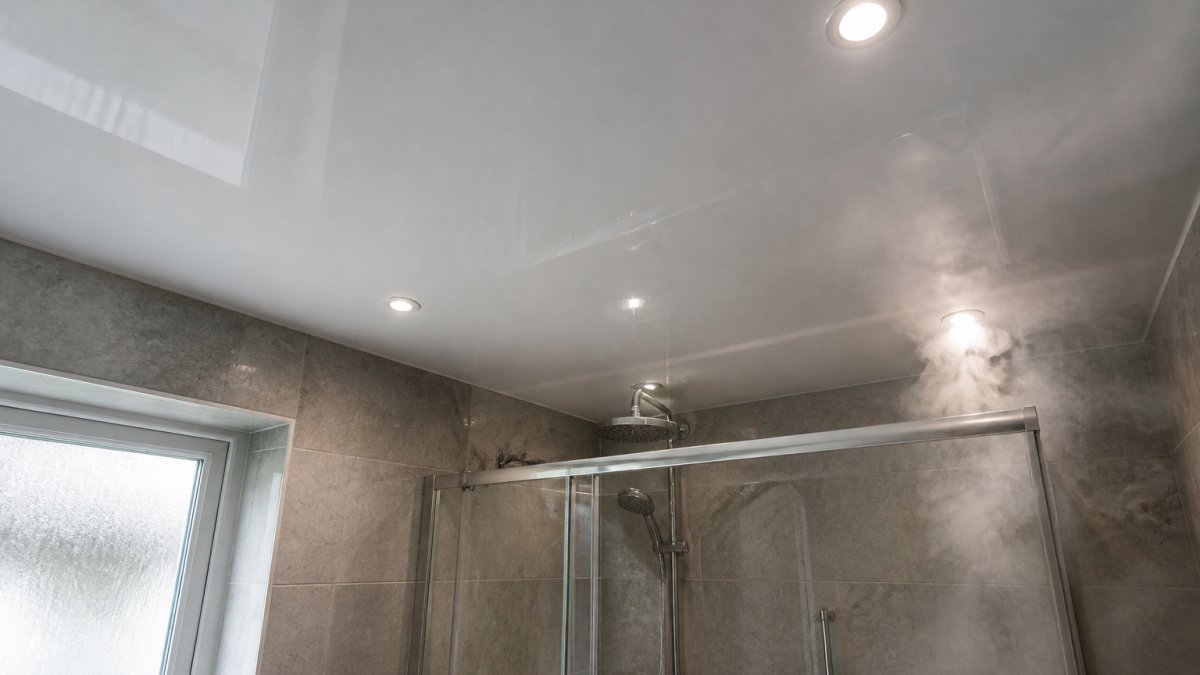
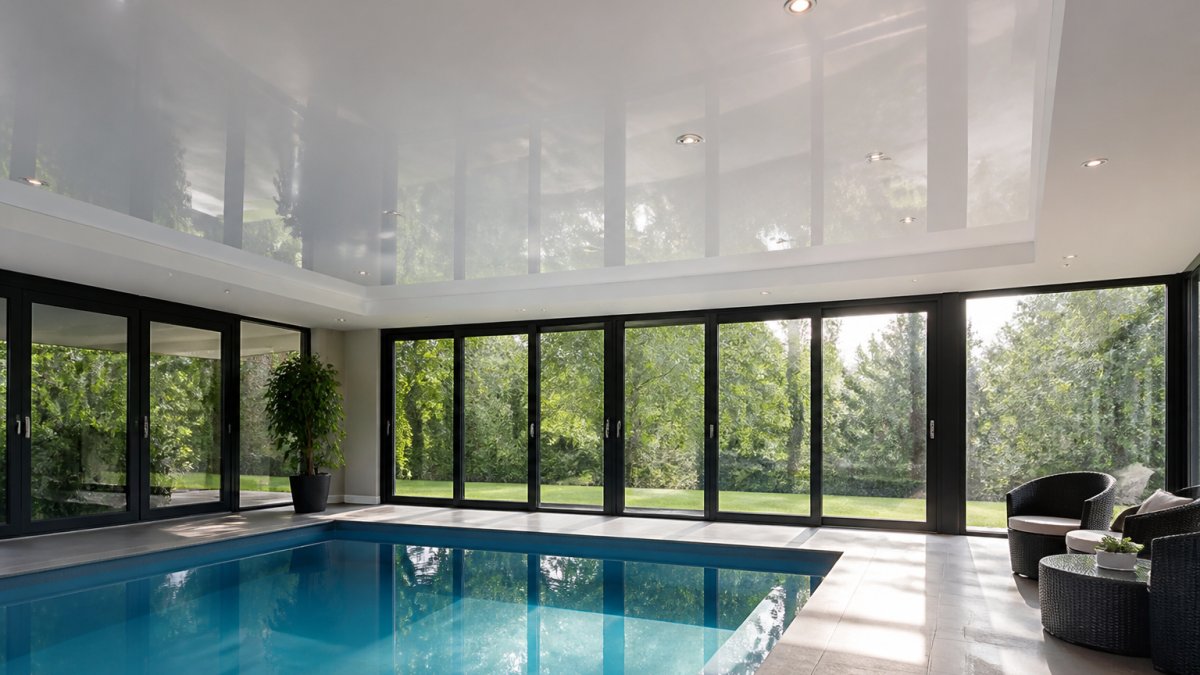
There is no plastering, no drying time, and no rubble to clear. For families with children or pets, that matters as much as the finish. The same system suits moisture-heavy rooms, including indoor pool areas, because the membrane resists damp far better than bare plaster.
When to Call a Professional: Testing and Removal
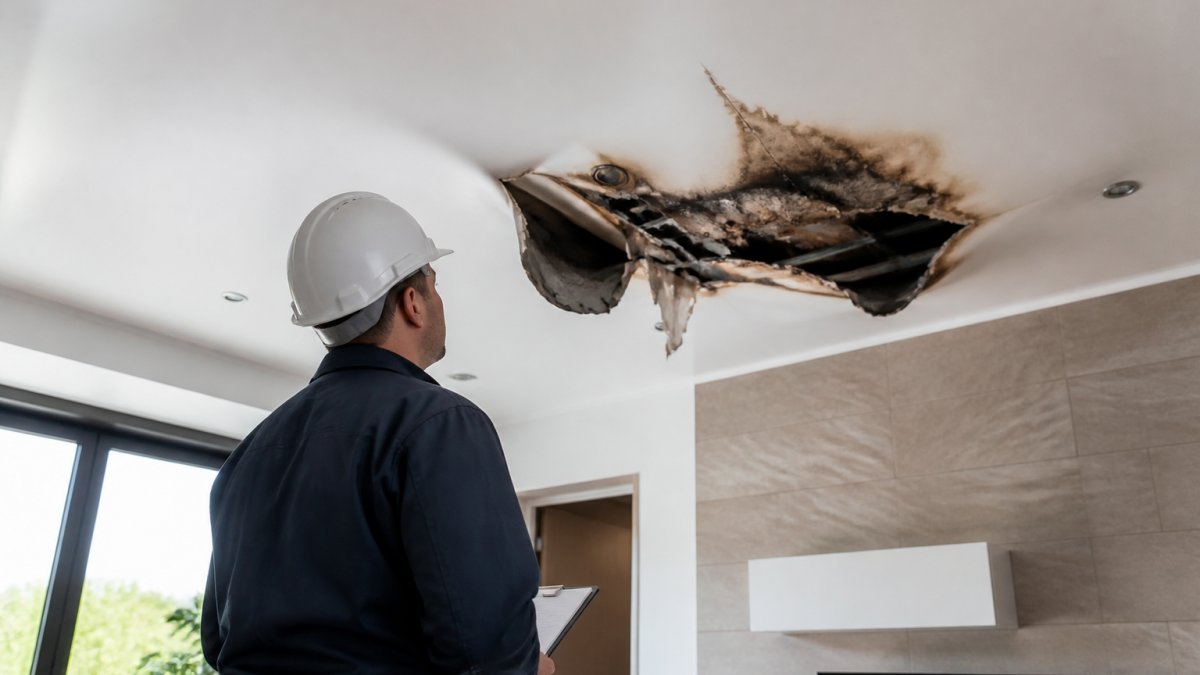
Call a professional the moment you are unsure whether a ceiling contains asbestos, and always before any drilling, removal, or renovation. The Health and Safety Executive's asbestos information for homeowners sets out when licensed contractors are required, and removal of certain asbestos materials is legally restricted to licensed specialists.
Testing is quick and usually straightforward. Removal is a bigger job: it involves containment, protective equipment, and controlled waste disposal. Never attempt it yourself.
For ceilings that are intact and simply dated, covering avoids the whole question. If you want the textured finish gone for good, get a survey first and let the results decide the route.
Frequently Asked Questions
Can you tell if a ceiling has asbestos just by looking at it?
No. Asbestos fibres are microscopic and cannot be seen with the naked eye. While certain textured finishes like artex are more likely to contain asbestos, especially those applied before the year 2000, visual inspection alone cannot confirm its presence. The only way to know for certain is to have a small sample tested by a UKAS-accredited laboratory. If you suspect your ceiling contains asbestos, avoid disturbing it and arrange professional testing before any renovation work begins.
What is the difference between Artex and asbestos ceilings?
Artex is a brand name for a textured ceiling finish popular from the 1950s to the 1980s. Asbestos was commonly added to these products, as well as to other building materials, for its fire-resistant and insulating properties. Not all artex contains asbestos, and not all asbestos ceilings are artex. The two terms are often used interchangeably, but artex refers to the decorative finish while asbestos refers to the hazardous mineral that may be present within it. Only laboratory testing can confirm whether your artex ceiling contains asbestos.
Is it safe to paint over an asbestos ceiling?
Painting over an asbestos ceiling is generally considered safe if the material is in good condition and not damaged. The paint seals the surface and prevents fibres from being released. However, you must not sand, scrape, or prepare the ceiling in any way that disturbs the asbestos. If the ceiling is cracked, water-damaged, or deteriorating, painting is not appropriate. In those cases, seek advice from a qualified asbestos professional. Always use a contractor who understands how to work safely around asbestos-containing materials.
What should I do if I suspect my ceiling contains asbestos?
Do not disturb the ceiling. Avoid drilling, sanding, scraping, or installing fixtures into it. Keep the room well-ventilated and limit access, especially for children and pets. Contact a UKAS-accredited laboratory to arrange a sample test, or hire a qualified asbestos surveyor to assess the property. If the material is confirmed as containing asbestos and is in good condition, it can often be left alone or safely covered. If it is damaged, a licensed contractor must remove it following Health and Safety Executive (HSE) guidelines.
The uncertainty around old textured ceilings is exactly what makes them stressful to live with. Stretcharama installs premium stretch ceilings that cover cracked, stained, or dated Artex without the dust, delays, or disruption of traditional plastering, and the same system is built to handle moisture-heavy rooms like indoor pools. If you want a flawless finish without touching the material above your head, request a consultation with Stretcharama and get a modern ceiling with none of the mess.