 ultimate-guide
Stretch Ceiling for Indoor Swimming Pools: A 2026 Guide
Table of Contents
- Why Stretch Ceilings Work for Indoor Swimming Pools
- Moisture-Resistant Ceiling Solutions for Pool Environments
- How Long Does a Stretch Ceiling Installation Take
- Stretch Ceiling Maintenance Guide for Pool Rooms
- Types of Stretch Ceilings Suited to High-Humidity Spaces
- Common Issues in Pool Ceiling Installations and How to Avoid Them
- Frequently Asked Questions
Last Updated: October 2, 2026
Why Stretch Ceilings Work for Indoor Swimming Pools
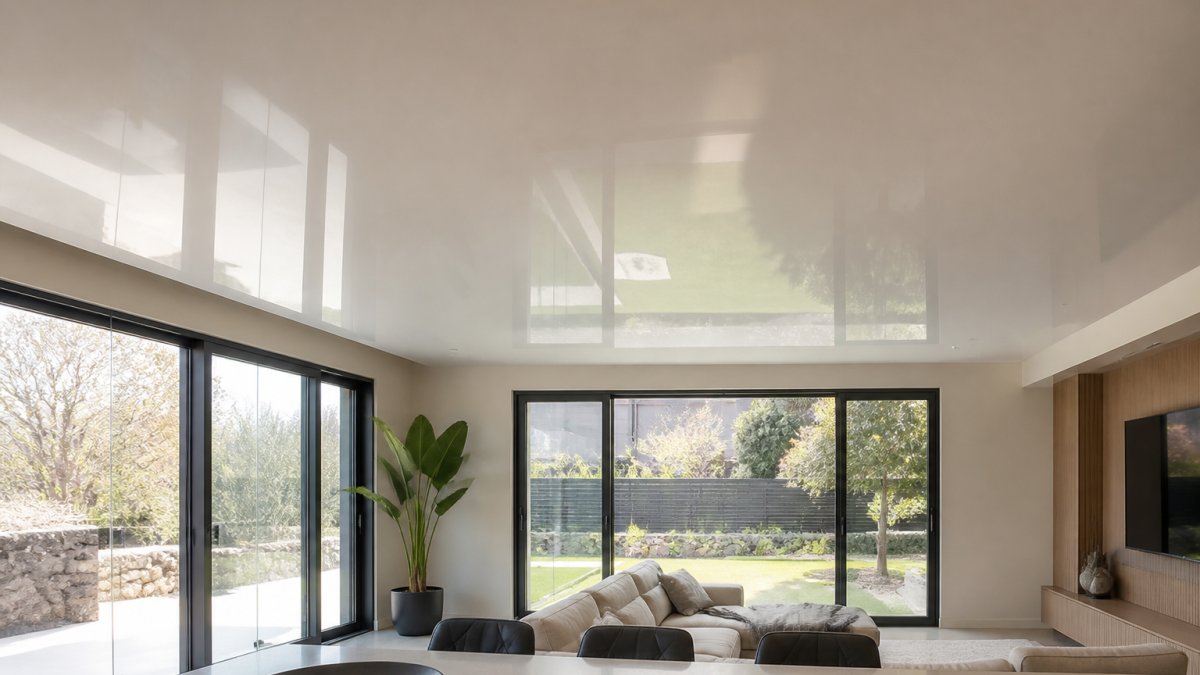
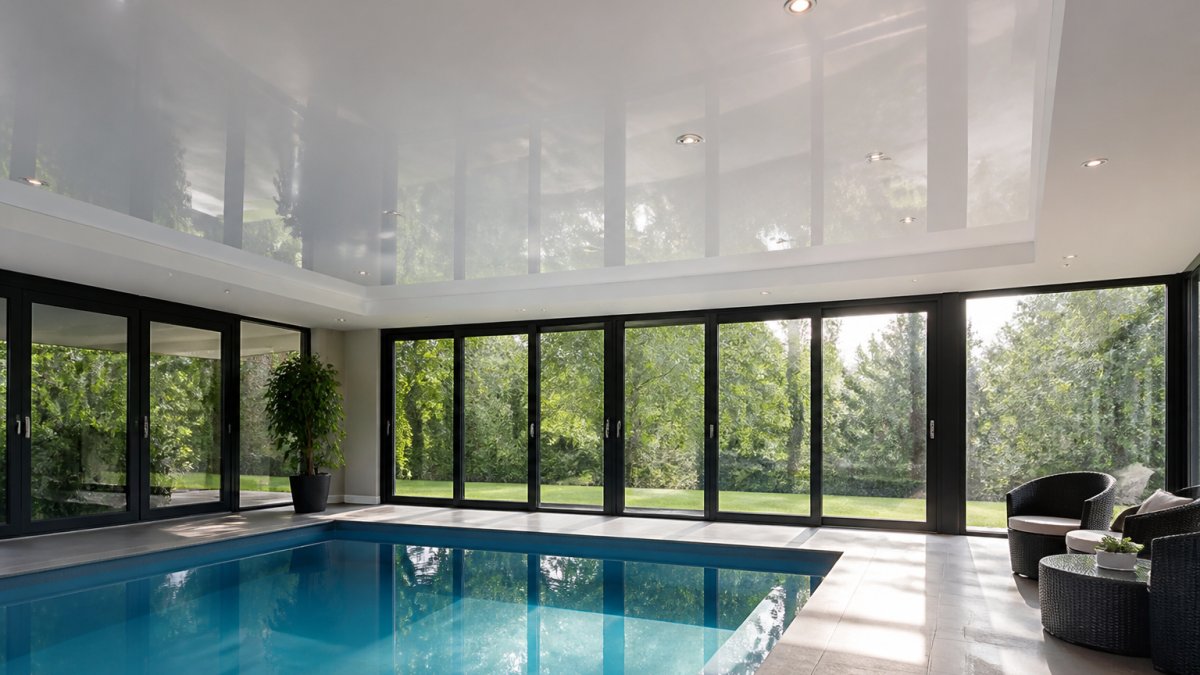
A stretch ceiling for indoor swimming pools is a tensioned fabric membrane stretched across a lightweight frame, creating a seamless, moisture-resistant surface that replaces traditional plaster or suspended ceilings. Unlike conventional options, stretch ceilings handle the demanding environment of pool rooms without deteriorating, warping, or developing mould.
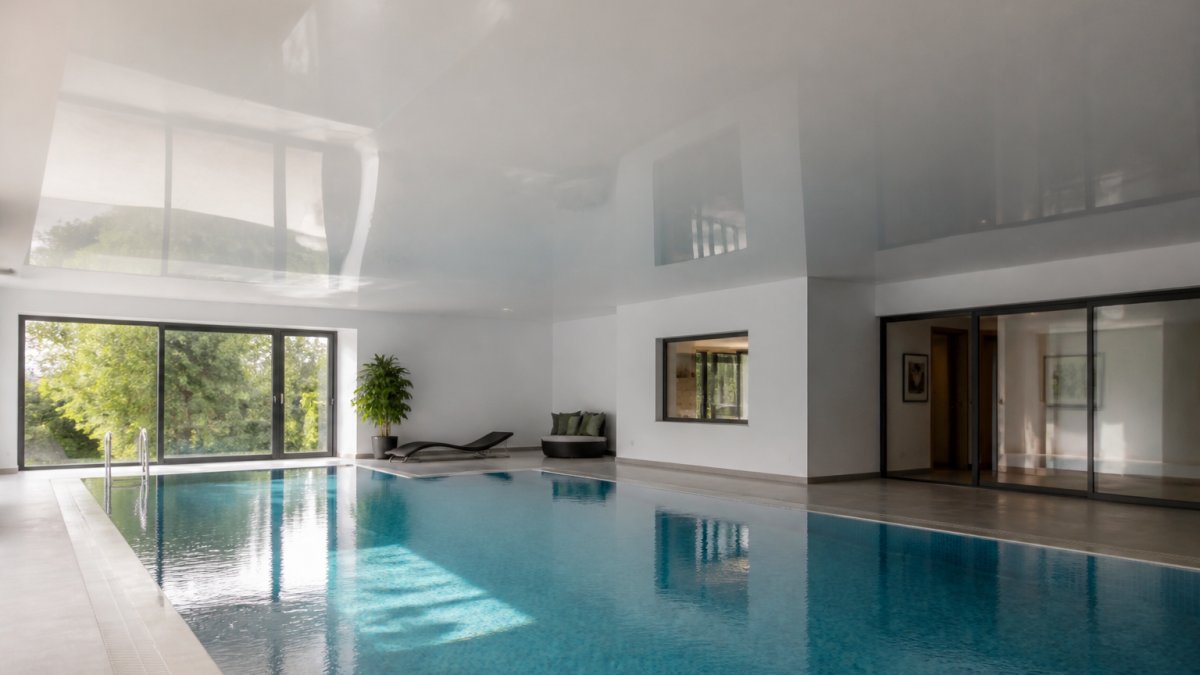
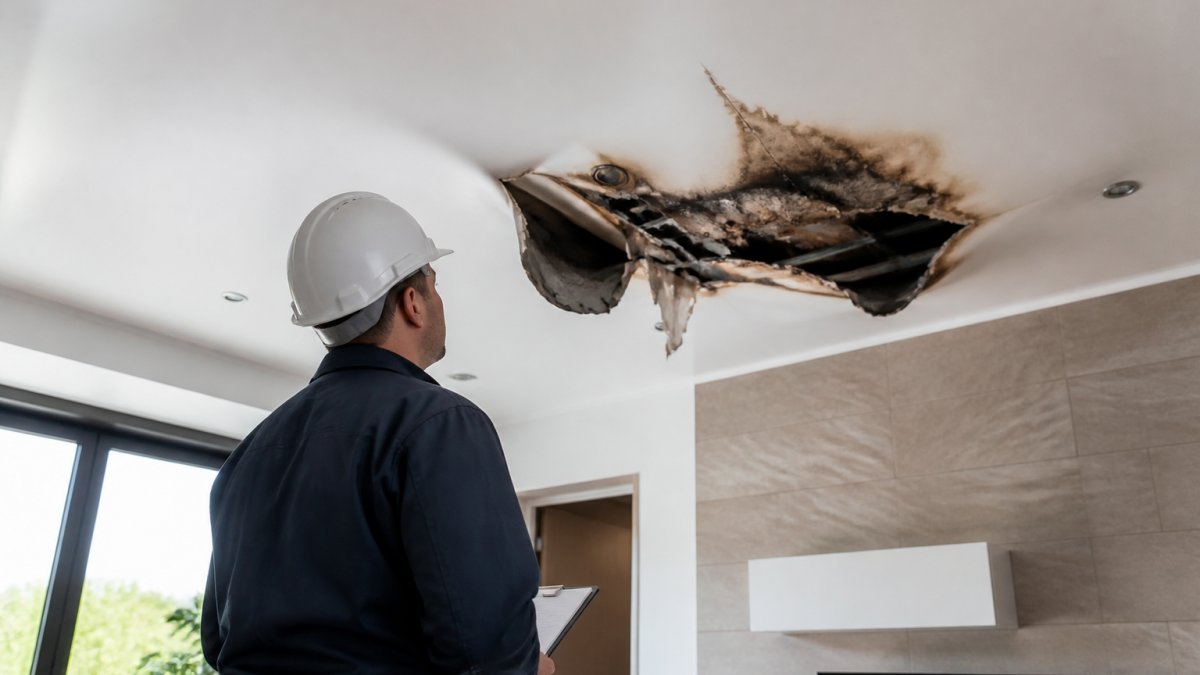
Pool environments are notoriously harsh on ceilings. Constant humidity, temperature fluctuations, and chlorine vapours attack traditional materials relentlessly. Plaster cracks and stains. Suspended tiles sag and harbour mould. Painted surfaces peel. A stretch ceiling, by contrast, is engineered for precisely these conditions.
The fabric used in modern stretch ceiling installations is typically polyester or PVC, both inherently resistant to moisture absorption. The material doesn't swell, shrink, or degrade when exposed to high humidity levels. The ceiling remains intact, clean, and visually flawless year after year.
Beyond durability, there's the practical advantage of installation speed and cleanliness. Traditional plastering in a pool room means weeks of disruption, dust everywhere, and the risk of moisture damage during the drying process. A stretch ceiling installation takes days, not weeks, and creates virtually no mess. For homeowners with functioning pools or family members sensitive to dust, this matters enormously.
Moisture-Resistant Ceiling Solutions for Pool Environments
The key to a moisture-resistant ceiling is material selection and installation technique working in concert. Not all stretch ceiling systems are equally suited to high-humidity spaces, which is why understanding the differences is critical before committing to a solution.
PVC-based stretch ceilings are the gold standard for pool environments. PVC is naturally hydrophobic, it repels water rather than absorbing it. The material is also chemically resistant, which matters in pool rooms where chlorine vapours circulate constantly. A quality PVC stretch ceiling won't yellow, become brittle, or develop odours from chemical exposure over time.
Polyester stretch ceilings are a lighter-duty option, more commonly used in standard residential spaces with normal humidity. They're less expensive than PVC but not recommended for sustained exposure to pool-level moisture. If you're installing a stretch ceiling in a pool room, PVC is the only sensible choice.
The installation method is equally important. The membrane must be stretched uniformly across the frame with precise tension, too loose and it sags; too tight and it can tear. Professional installation ensures proper drainage behind the ceiling, which is essential in pool environments. Water that condenses on the underside of the membrane needs a path to escape, typically through ventilation or drainage channels built into the frame system.
We use PVC membranes specifically rated for high-humidity environments and install with attention to airflow. This combination prevents moisture accumulation and ensures the ceiling performs as intended for decades.
How Long Does a Stretch Ceiling Installation Take
A typical stretch ceiling installation for a standard residential pool room takes between two and four days, depending on room size, complexity, and whether any preparatory work is needed. This speed is one of the major advantages over traditional plastering, which can stretch across several weeks.
The installation process follows a straightforward sequence. Day one involves preparing the space: removing old ceiling materials if necessary, installing the aluminium frame around the perimeter of the room, and checking that all electrical fixtures and ventilation components are in place. If you're covering an existing Artex ceiling or dealing with asbestos-containing materials, those must be professionally assessed and removed beforehand, this is a separate process that adds time and cost (The duty to manage asbestos in buildings: Arrange an asbestos survey).
Day two is when the actual membrane goes up. The fabric is heated and stretched into place, a process that requires specialised equipment and trained technicians. The tension is applied gradually and carefully to ensure even coverage without wrinkles or sags. For a typical pool room, this takes four to six hours.
Days three and four involve finishing: installing trim, reconnecting lighting fixtures, testing ventilation, and final inspection. For straightforward installations without complications, the work is often complete by the end of day three.
The speed advantage becomes obvious when you compare this to traditional plastering. A plasterer skimming an entire ceiling typically needs two to three weeks, and that's assuming no delays. The plaster must cure properly, which means the room stays out of commission. With a stretch ceiling, your pool room is functional within days.
Stretch Ceiling Maintenance Guide for Pool Rooms
A stretch ceiling requires far less maintenance than traditional ceiling options, but the pool environment does demand some attention to keep the finish pristine.
Routine cleaning is straightforward. The membrane attracts dust like any smooth surface, but a light dusting with a soft cloth every few months keeps it looking fresh. For more thorough cleaning, a damp microfibre cloth works well. Avoid abrasive cleaners or harsh chemicals, they can damage the membrane's finish. Mild soap and water is sufficient for most cleaning tasks.
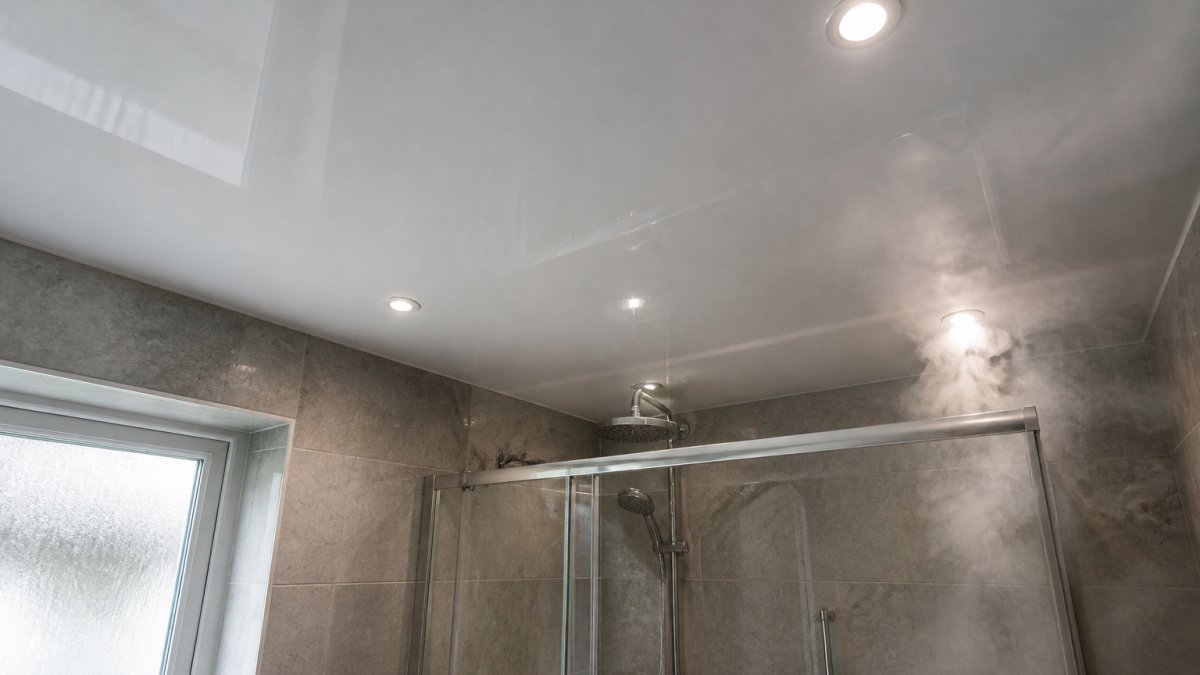
Condensation management is the most important maintenance consideration in a pool room. If you notice water droplets forming on the underside of the ceiling, it signals that ventilation isn't adequate. The solution is to improve air circulation: run extraction fans during and after pool use, ensure bathroom exhaust vents are functioning properly, and consider installing a dehumidifier if condensation persists. These measures prevent moisture from accumulating and protect the membrane's long-term integrity.
Inspect the ceiling periodically for any signs of damage or deterioration.
Types of Stretch Ceilings Suited to High-Humidity Spaces
Not all stretch ceiling systems are identical, and the options available differ in material composition, finish, and suitability for extreme humidity.
Common Issues in Pool Ceiling Installations and How to Avoid Them
Even with quality materials and professional installation, certain issues can arise in pool environments if precautions aren't taken.
| Installation Aspect | Typical Duration | Key Consideration |
|---|---|---|
| Frame installation | 1 day | Perimeter preparation and electrical routing |
| Membrane stretching | 4-6 hours | Requires specialised equipment and trained technicians |
| Finishing and testing | 1-2 days | Trim installation, lighting reconnection, ventilation check |
| Total project time | 2-4 days | Depends on room size and preparatory work needed |
Frequently Asked Questions
Are stretch ceilings waterproof for use above swimming pools?
Stretch ceilings designed for pool environments are highly water-resistant and engineered to withstand persistent moisture exposure. They don't absorb water and resist mould and mildew growth that would occur with traditional plaster. However, they're not fully waterproof in the sense of preventing water penetration if there's a leak above the ceiling itself. Proper ventilation and moisture management in the pool room remain essential to protect the structure behind the ceiling.
How do stretch ceilings perform in high-humidity pool environments?
Stretch ceilings excel in humid conditions because they're manufactured from PVC or polyester materials that don't degrade when exposed to moisture. Unlike conventional ceilings, they won't bubble, crack, or develop staining from condensation. The seamless installation prevents water from seeping into gaps, and the non-porous surface naturally resists the humidity levels typical in indoor pool rooms, making them one of the most durable ceiling solutions available for this application.
What's the typical cost difference between stretch ceilings and traditional plastering for a pool room?
Pricing depends on room size, ceiling height, material choice, and local installation complexity. Stretch ceilings eliminate the need for multiple plaster coats, sanding, and redecorating, which reduces labour time and disruption. For an accurate quote tailored to your pool room, request a consultation with Stretcharama to compare the total project cost and long-term durability benefits against traditional plastering options.
Can a stretch ceiling prevent mould growth in a swimming pool room?
Stretch ceilings resist mould because the non-porous PVC or polyester surface prevents moisture absorption and doesn't provide the organic material mould needs to thrive. Combined with proper ventilation and humidity control in your pool room, a stretch ceiling dramatically reduces mould risk compared to traditional plaster or plasterboard ceilings. Regular maintenance of your ventilation system is still important to keep humidity levels manageable.
Do I need special lighting for a stretch ceiling in a pool room?
Stretch ceilings work with most standard lighting fixtures, including recessed lights and spotlights. The material is compatible with LED systems and can be fitted with integrated lighting during installation. Some stretch ceiling materials are translucent, allowing you to create ambient lighting effects. Consult with your installer about lighting options suited to your pool room's design and humidity levels.
Will a stretch ceiling cover up asbestos in my existing Artex ceiling?
Stretch ceilings can be installed over existing Artex without removal, which avoids the need for asbestos testing and professional removal if the Artex is undisturbed. However, if your Artex ceiling is damaged or you're concerned about safety, asbestos testing is recommended before installation. Your installer can advise whether covering the existing ceiling or preparing the surface first is the best approach for your pool room.
What warranty typically comes with a stretch ceiling installation?
Warranty terms vary by installer and material choice. Most quality stretch ceiling installations include a warranty covering manufacturing defects and workmanship for a specified period. Ask Stretcharama about the exact warranty coverage, duration, and what's included, such as repairs for tears, seam issues, or material degradation. A comprehensive warranty provides peace of mind for your investment in a pool room ceiling.