 ultimate-guide
Stretch Ceiling Moisture Resistance: A 2026 Guide
Table of Contents
- What Makes Stretch Ceilings Moisture-Resistant
- Are Stretch Ceilings Waterproof in High-Humidity Rooms
- PVC Stretch Ceiling Moisture Resistance vs Fabric Options
- Handling a Stretch Ceiling Water Leak: What You Need to Know
- How to Clean a Stretch Ceiling in Damp Environments
- Installation Considerations for Moisture-Prone Spaces
- Frequently Asked Questions
Last Updated: 11 October 2026
What Makes Stretch Ceilings Moisture-Resistant
Stretch ceiling moisture resistance comes down to material composition and installation design. Unlike traditional plasterboard or suspended ceilings, stretch ceilings are manufactured from either PVC or fabric membranes that are inherently resistant to water absorption. The seamless installation method creates a continuous barrier with no joints or seams where moisture can penetrate, which is fundamentally different from conventional ceiling systems.
The membrane itself doesn't absorb water the way porous materials do. When moisture-laden air meets a stretch ceiling, condensation may form on the surface, but it won't soak in or cause structural degradation. This property makes them particularly suitable for environments where humidity fluctuates significantly, kitchens, bathrooms, swimming pool areas, and other damp spaces.
The material's resistance to mould and mildew growth is a significant advantage over conventional ceilings, which can develop discolouration and deterioration within months of exposure to sustained humidity.
The installation process itself contributes to moisture resistance. The membrane is fitted under tension to a perimeter frame, creating a taut, smooth surface that sheds water rather than trapping it. There are no cavities where moisture can accumulate, no hidden spaces where condensation can pool. This design eliminates one of the primary failure points of traditional ceiling systems.
Are Stretch Ceilings Waterproof in High-Humidity Rooms
Stretch ceilings are highly resistant to moisture but not technically waterproof in the absolute sense. They can withstand sustained humidity, condensation, and occasional water splash, but direct water immersion or prolonged flooding will eventually cause problems. The distinction matters when deciding whether they're suitable for your space.
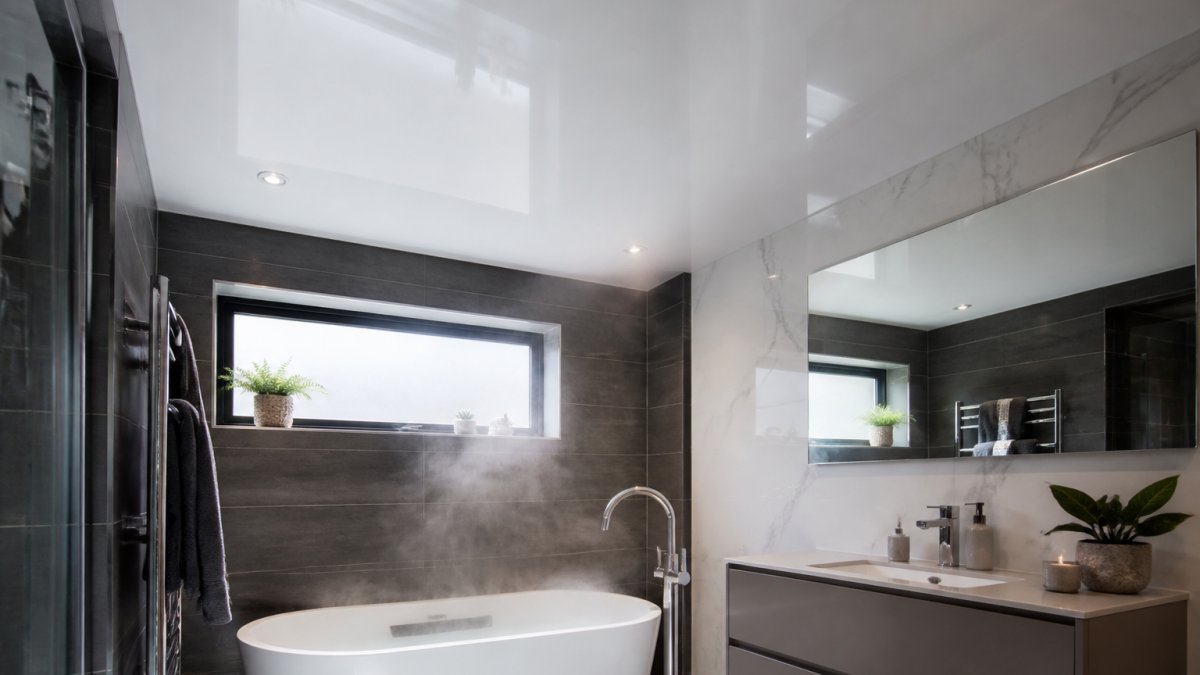
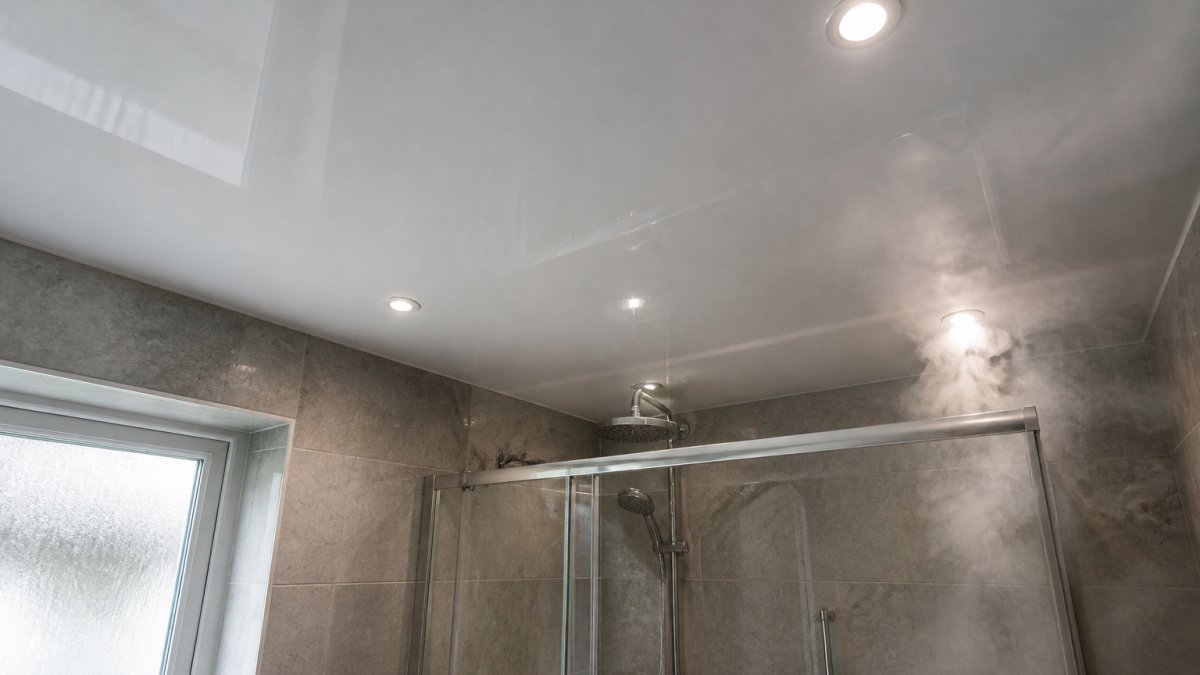
In bathrooms with regular showers and steam, stretch ceilings perform exceptionally well. The moisture rises and condenses on the ceiling surface, but the material simply sheds it without absorbing water or deteriorating. Many homeowners have had stretch ceilings in bathrooms for years without any issues related to humidity or condensation damage.
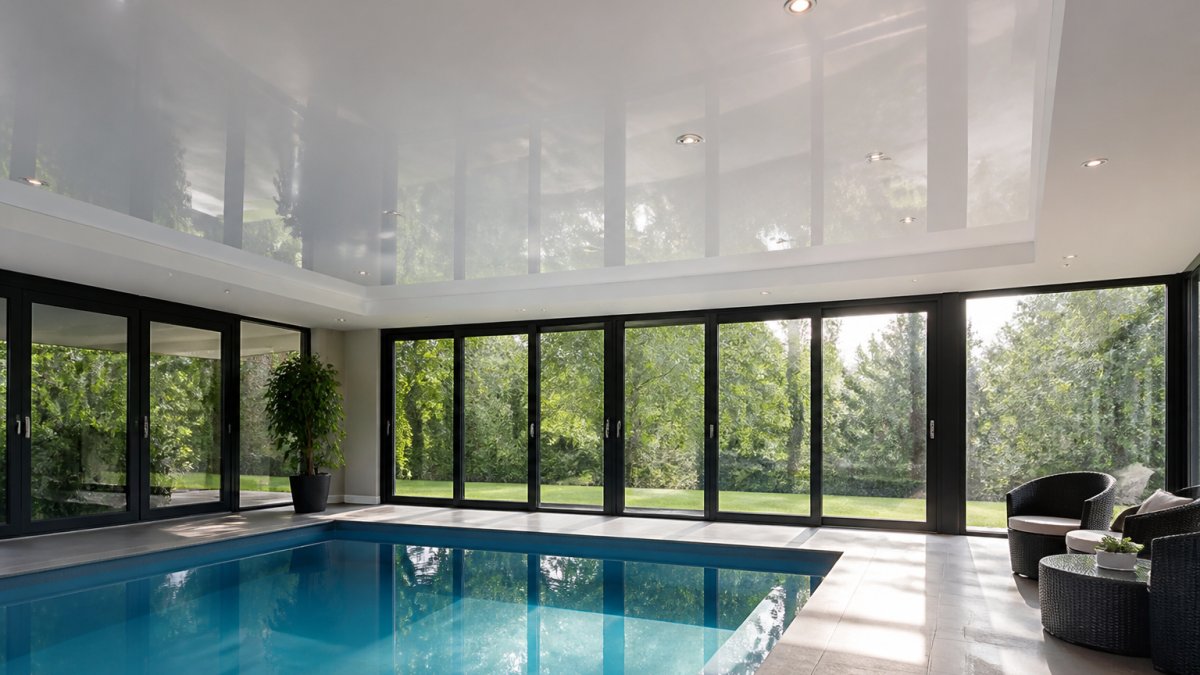
Swimming pool environments present a different challenge. The constant, extreme humidity and occasional splashing create demanding conditions. PVC stretch ceilings are better suited to pool rooms than fabric alternatives, as they're more resistant to sustained moisture exposure. Even so, proper ventilation is essential, the ceiling alone cannot manage the moisture load of a busy pool area without support from extraction systems.
High-humidity kitchens fall somewhere in between. Steam from cooking, boiling water, and general moisture are handled well by stretch ceilings, but again, ventilation matters. A kitchen with a properly functioning extractor hood will see your stretch ceiling last indefinitely. Without adequate ventilation, any ceiling system will struggle.
The real risk with stretch ceilings in damp environments isn't the material failing, it's water pooling above the membrane if there's a leak from the floor above. The ceiling will collect water like a bathtub and eventually sag or burst. This isn't a flaw in the material; it's a limitation of any suspended ceiling system.
PVC Stretch Ceiling Moisture Resistance vs Fabric Options
PVC and fabric are the two primary stretch ceiling materials, and they behave differently in moist environments. Understanding the distinction helps you choose the right material for your specific situation.
PVC stretch ceilings are non-porous and completely impervious to water absorption. They're manufactured from polyvinyl chloride, a plastic-based material that water cannot penetrate. In high-humidity environments, PVC is the stronger choice. It resists mould and mildew growth more effectively, cleans easily, and maintains its appearance over years of exposure to moisture. PVC also handles temperature fluctuations better, which is relevant in spaces where humidity varies significantly.
Fabric stretch ceilings, typically made from polyester or polyurethane-coated textiles, are water-resistant rather than waterproof. They don't absorb water in the way cotton or untreated fabric would, but they're not as impervious as PVC. Fabric ceilings are more breathable, which some installers argue allows moisture to escape rather than accumulate. However, in genuinely damp environments, this theoretical advantage doesn't outweigh PVC's superior moisture resistance.
The practical difference: PVC is your material for bathrooms, kitchens, and swimming pools. Fabric works well in living areas, bedrooms, and offices where humidity is normal but not extreme. Choosing fabric for a high-moisture room is a false economy, you'll face potential issues within a few years.
Cleaning also differs between materials. PVC can be wiped down with a damp cloth without concern. Fabric requires gentler handling and may show water marks more readily. If you're in a damp environment, easier maintenance becomes important.
Cost varies between the two. For moisture-prone spaces, PVC offers superior performance and longevity. Stretcharama recommends PVC for any installation where sustained humidity is a factor.
Handling a Stretch Ceiling Water Leak: What You Need to Know
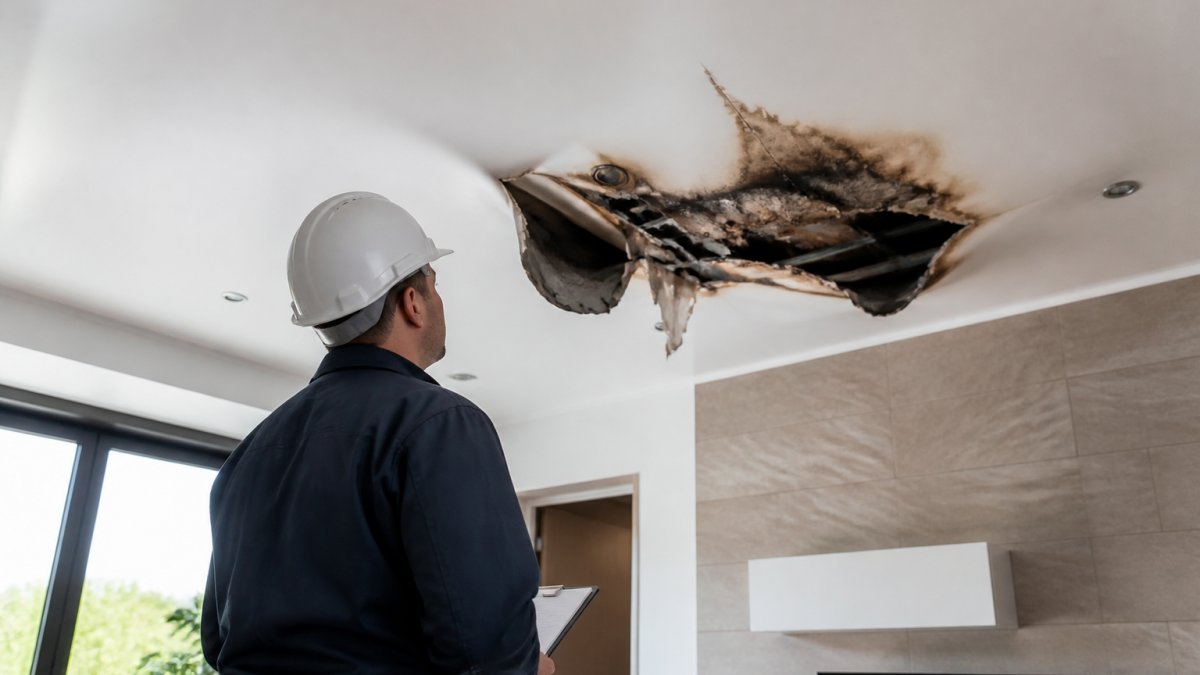
Water leaks from above are the primary threat to stretch ceilings in any environment. If water enters the space between your ceiling and the floor above, the membrane will collect it and eventually fail. Recognising and addressing leaks quickly prevents costly damage.
The first sign of a leak is usually visible sagging or a damp patch forming on the ceiling surface. Unlike traditional plasterboard, which might show staining gradually, a stretch ceiling will develop a pronounced sag as water accumulates. This is actually helpful, it gives you visual warning before catastrophic failure occurs.
If you notice sagging or suspect a leak, stop using that area immediately and contact your installer. Do not attempt to puncture the ceiling to drain the water yourself, this will cause the membrane to fail completely. Professional installers have equipment and procedures to safely remove trapped water and assess any damage to the membrane or the structure above.
Most water damage to stretch ceilings results from undetected leaks in the floor above: burst pipes, blocked gutters, or faulty plumbing. Regular inspections of the space above your ceiling, if accessible, can catch problems before they damage the ceiling itself. Check for signs of moisture, discolouration, or active dripping during heavy rain.
Prevention is far more effective than repair. Ensure your building's roof and plumbing are maintained properly. Address any leaks in upper floors immediately, before they reach the ceiling below. If you live in a flat with a shared roof or upper floors, establish a maintenance schedule and ensure those areas are inspected regularly.
If damage does occur, repair typically involves removing the affected section of membrane and installing a new panel. Stretcharama can assess the extent of damage and advise whether repair or full replacement is necessary.
How to Clean a Stretch Ceiling in Damp Environments
Stretch ceilings in moisture-prone spaces accumulate dust and residue more readily than those in dry environments. Regular, gentle cleaning maintains appearance and prevents build-up that can trap moisture or encourage mould growth.
For PVC stretch ceilings, cleaning is straightforward. Use a soft, lint-free cloth slightly dampened with water. Avoid abrasive materials, harsh chemicals, or excessive water. Wring out your cloth thoroughly before wiping, you want damp, not wet. A mild solution of water and a tiny amount of washing-up liquid works well for stubborn marks.
Never use scouring pads, bleach, acetone, or aggressive cleaners. These can damage the PVC surface or cause discolouration. Similarly, avoid high-pressure water jets or steam cleaners, which can force water into seams or damage the membrane.
For fabric stretch ceilings, cleaning is gentler still. Use a dry microfibre cloth for routine dust removal. For stains, a slightly damp cloth with minimal water is acceptable, but avoid soaking the fabric. Allow any damp areas to air-dry completely.
In bathrooms and kitchens, wipe down the ceiling after activities that generate steam or moisture. This prevents water droplets from lingering on the surface and potentially encouraging mould growth. Regular light cleaning is far easier than tackling heavy build-up months later.
Mould or mildew occasionally appears on stretch ceilings in very damp environments, typically in corners or areas with poor ventilation. A solution of equal parts white vinegar and water, applied with a soft cloth, usually resolves this. Ensure good ventilation in the room to prevent recurrence.
Never scrape or scratch the ceiling surface when removing stubborn marks. If something won't come clean with gentle methods, leave it, aggressive cleaning risks permanent damage. Most marks on PVC can be removed with patience and the right approach.
Installation Considerations for Moisture-Prone Spaces
Installing a stretch ceiling in a damp environment requires attention to detail that goes beyond standard installation. Proper preparation, material selection, and ventilation planning determine whether your ceiling performs well for years or develops problems quickly.
Ventilation is the foundation of success. Before installing a stretch ceiling in a bathroom, kitchen, or other high-moisture area, ensure the room has adequate extraction.
The substrate, the structure above the ceiling, must be sound and dry before installation begins. Any existing dampness, leaks, or condensation issues in the floor above should be resolved first.
Material choice depends on the specific environment. As discussed, PVC is superior for genuinely damp spaces. The installer should confirm that PVC is appropriate for your room's expected humidity levels and discuss any concerns about the space above.
Sealing and edge details matter more in damp environments. The perimeter where the membrane meets the frame must be properly sealed to prevent moisture from entering the gap.
Thermal bridging and condensation can occur at the frame edges if the room is very cold and humid simultaneously. Proper insulation and ventilation planning prevent this. Your installer should discuss these factors if your space has unusual thermal or humidity characteristics.
Regular inspection after installation helps catch problems early. Homeowners should check their stretch ceiling periodically, especially in high-moisture rooms, for signs of sagging, discolouration, or other changes. Early detection of problems allows for straightforward repairs rather than emergency intervention.
Stretch ceiling moisture resistance makes these systems an excellent choice for bathrooms, kitchens, and swimming pool areas where conventional ceilings would deteriorate within months.
The key to success is matching the material to your environment and supporting it with proper ventilation and maintenance.
At Stretcharama, we assess your specific moisture challenges and recommend the right material and installation approach for your property.
Frequently Asked Questions
Are stretch ceilings waterproof?
Stretch ceilings are highly water-resistant but not completely waterproof in the traditional sense. PVC stretch ceilings can hold standing water temporarily if a leak occurs above them, preventing damage to rooms below. However, the water must be drained promptly to avoid pooling and potential material stress. Fabric stretch ceilings are water-resistant but absorb moisture more readily, making PVC the superior choice for bathrooms and pool areas.
What is the difference between PVC and fabric stretch ceilings for moisture resistance?
PVC stretch ceilings offer superior moisture resistance due to their non-porous, plastic composition. They repel water, resist mould growth, and maintain their appearance in humid conditions. Fabric stretch ceilings, while water-resistant, are more porous and can absorb moisture over time, making them less suitable for bathrooms, kitchens, or pool rooms. For high-humidity environments, PVC is the recommended material.
Can a stretch ceiling handle a water leak from above?
Yes, stretch ceilings can temporarily contain water from a leak above them, acting as a barrier that prevents damage to the room below. The material will sag slightly as water accumulates, but it won't rupture immediately. However, the water must be drained as soon as possible by contacting your installer or a professional. Prolonged pooling can stress the material and may eventually cause failure, so prompt action is essential.
How do you clean a stretch ceiling in a bathroom or damp room?
Clean stretch ceilings with a soft, lint-free cloth and a mild solution of lukewarm water with a small amount of gentle detergent. Avoid abrasive scrubbers, harsh chemicals, and excessive moisture. For stubborn marks, use minimal water and let the cloth do the work rather than scrubbing hard. Regular light cleaning prevents dust and moisture build-up. Never use steam cleaners or high-pressure water, as these can damage the material or force moisture into seams.
Will a stretch ceiling prevent mould in a humid room?
PVC stretch ceilings are naturally resistant to mould because their non-porous surface provides no substrate for mould spores to colonise. They also dry quickly after moisture exposure, further reducing mould risk. However, mould prevention also depends on adequate ventilation and humidity control in the room. A stretch ceiling is an excellent barrier, but proper extraction fans and air circulation remain essential for long-term moisture management.
Can a stretch ceiling be installed in a bathroom or pool room?
Yes, stretch ceilings are ideal for bathrooms and pool rooms when installed correctly using PVC material. They handle steam, humidity, and moisture far better than traditional plasterboard. Installation in these spaces requires proper ventilation assessment beforehand and careful sealing of all edges and joints to prevent moisture ingress behind the ceiling. Professional installation ensures the ceiling performs as intended in high-moisture environments.