 ultimate-guide
Stretch Fabric Ceiling: A 2026 Guide
Table of Contents
- What Is a Stretch Fabric Ceiling?
- Stretch Ceiling Pros and Cons
- How Stretch Ceilings Are Installed
- Stretch Ceiling Installation Time: What to Expect
- Stretch Ceiling Maintenance and Care
- Design Options and Applications
- Is a Stretch Fabric Ceiling Right for Your Home?
- Frequently Asked Questions
Last Updated: October 17, 2026
What Is a Stretch Fabric Ceiling?
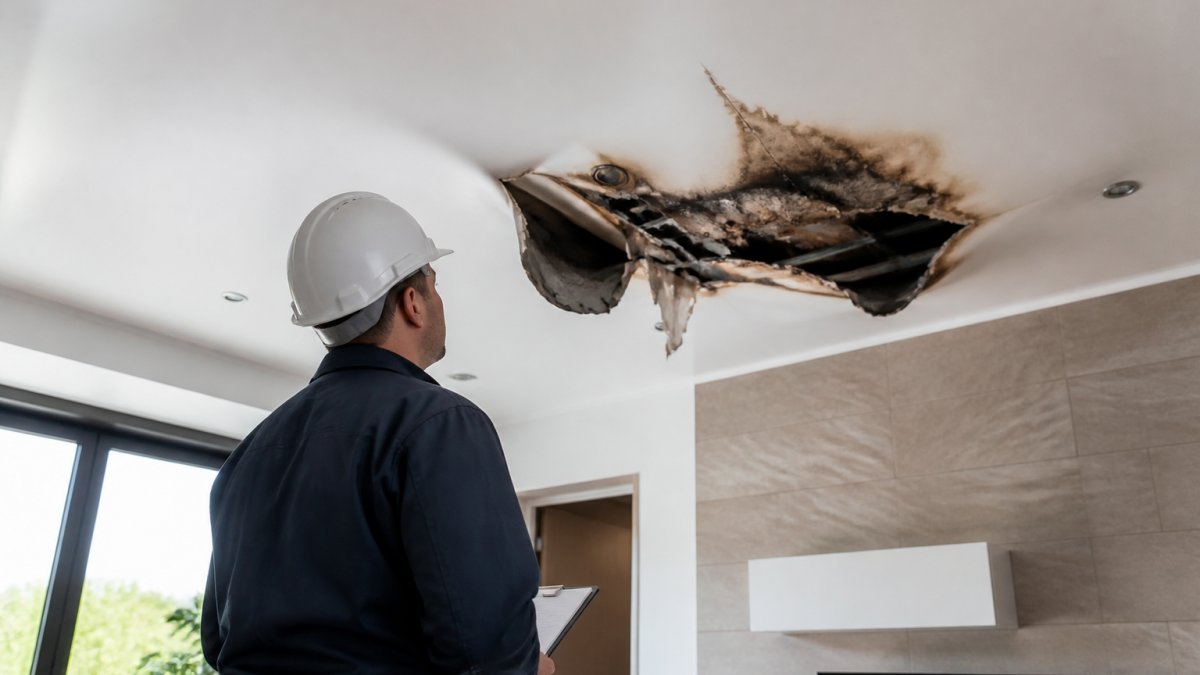
A stretch fabric ceiling is a modern ceiling solution made from a thin, tensioned PVC membrane stretched across a frame installed just below your existing ceiling. The fabric creates a seamless, smooth surface that covers damage, stains, or outdated finishes without requiring traditional plastering or removal of what's already there.
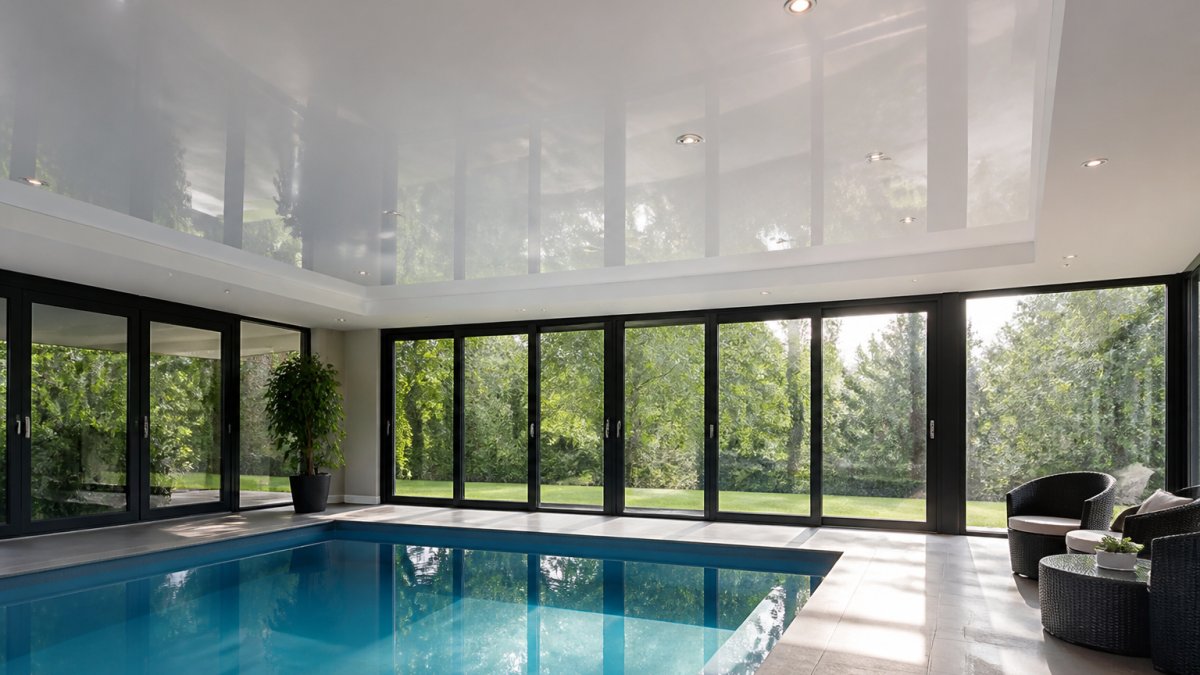
The membrane is typically 0.2mm thick and comes in various finishes: matt, satin, or gloss. Once installed, it looks like a professionally plastered ceiling but without the mess, dust, or weeks of disruption that traditional methods demand. The fabric stretches taut across the frame, creating a flawless, contemporary appearance that works equally well in living rooms, kitchens, bathrooms, and specialist environments like indoor swimming pools.
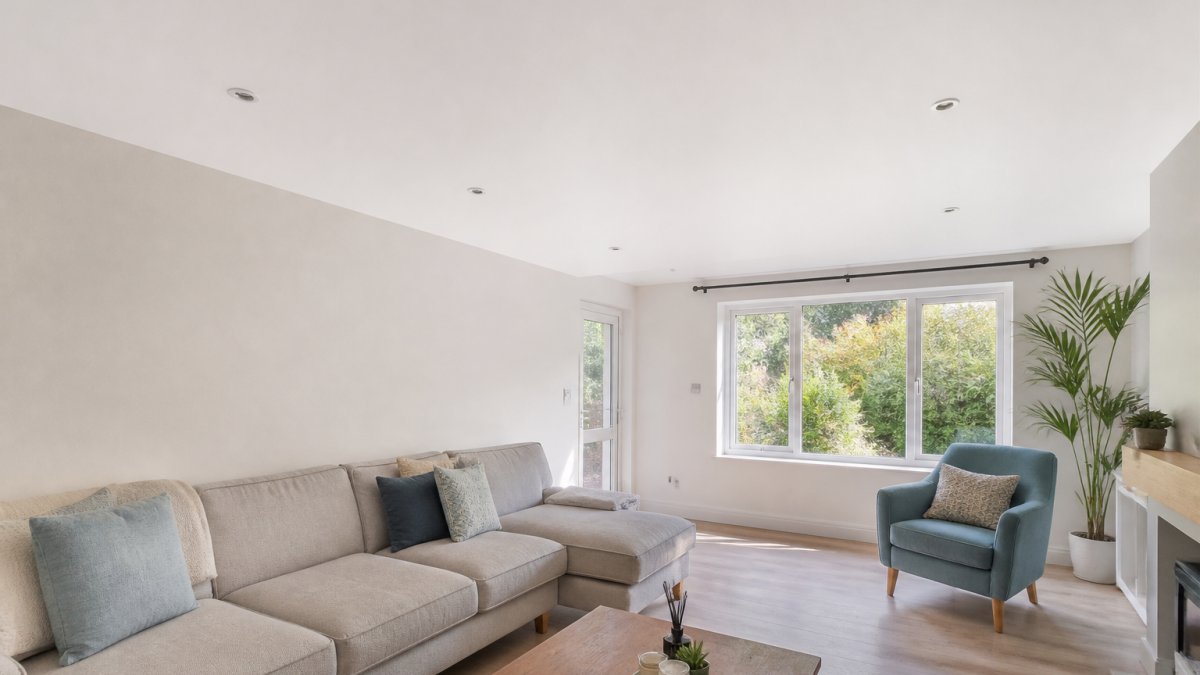
What sets this solution apart isn't just the appearance, it's the speed and cleanliness of installation. Unlike traditional plastering, which creates dust clouds that settle on every surface in your home, stretch ceiling installation produces no plaster dust, no debris, and minimal disruption to your daily life. Your furniture stays clean. Your family doesn't have to relocate during the work.
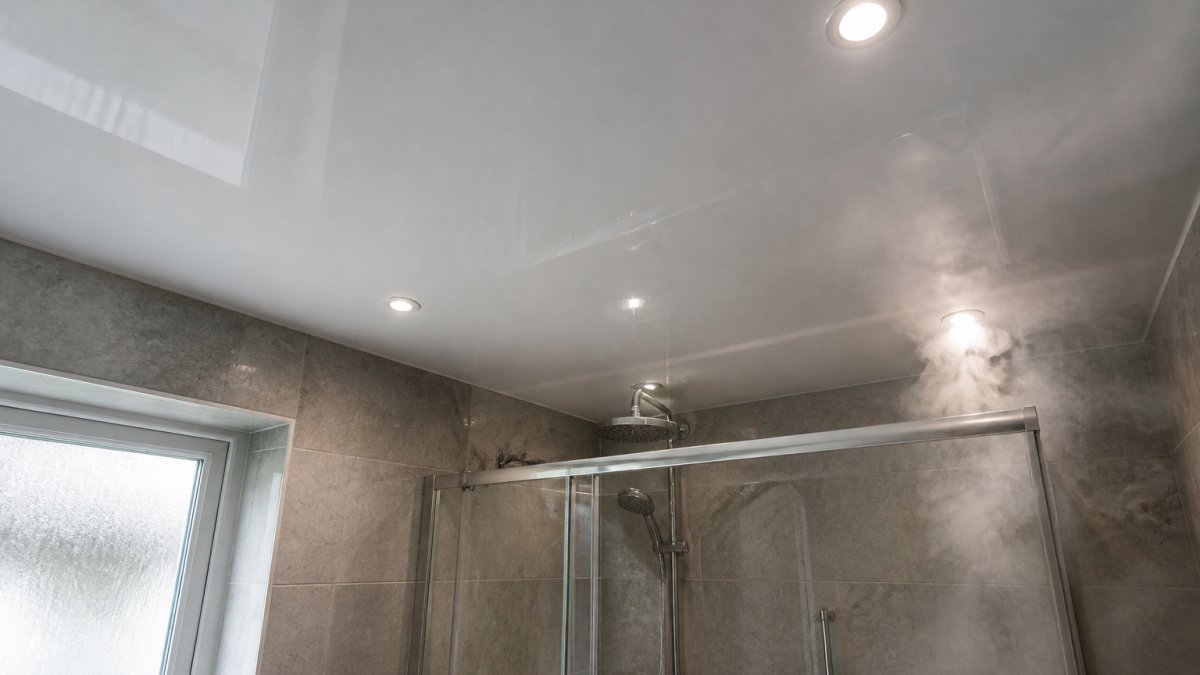
The fabric is fire-resistant and meets building regulations. It's also moisture-resistant, making it particularly valuable for bathrooms, kitchens, and indoor pool environments where humidity would damage traditional plasterboard or cause mould growth. Because the membrane is tensioned rather than adhered, it handles temperature fluctuations without cracking or warping.
Stretch Ceiling Pros and Cons
The advantages of a stretch fabric ceiling centre on speed, cleanliness, and durability. Installation typically takes one to three days depending on room size. There's no plaster dust coating your belongings, no weeks of disruption, and no need to vacate your home during the work. The finish is flawless and modern, covering cracked plaster, water stains, Artex, or any existing ceiling damage completely. Once installed, the membrane is virtually maintenance-free. It won't crack, sag, or require redecorating.
For homeowners with moisture-prone environments, the advantage is significant. Stretch ceilings resist humidity far better than traditional plasterboard, making them ideal for bathrooms, kitchens, and indoor swimming pools. The fabric resists mould and mildew growth that would otherwise compromise a conventional ceiling. The membrane is also fire-resistant and complies with UK building regulations.
The drawbacks are worth acknowledging. A stretch fabric ceiling sits 50-100mm lower than your existing ceiling, which can feel restrictive in rooms with limited ceiling height. The initial cost is higher than a basic plastering job. The finish, whilst seamless and modern, won't suit every interior aesthetic, some homeowners prefer the character of traditional plasterwork. If you ever need to access the void above the ceiling for maintenance or repairs, the membrane must be carefully removed and reinstalled, adding cost.
How Stretch Ceilings Are Installed
The installation process for a stretch ceiling involves five key stages. First, the surveyor measures the room precisely and designs the frame layout. The frame, typically aluminium or PVC, is then fitted around the perimeter of the room, secured to the walls just below where the new ceiling will sit.
Next, the fabric membrane is cut to size in a factory based on exact room measurements. The membrane arrives rolled and is heated on site to make it pliable. The installer begins stretching the fabric into the frame, typically starting at one corner and working systematically around the perimeter. As the fabric is stretched, it's clipped into the frame using a special tool that locks it in place.
The heating process is crucial. Warm fabric is easier to manipulate and stretches more evenly. As it cools after installation, it becomes taut and creates the seamless finish. Lighting fixtures, air vents, and other ceiling penetrations are carefully cut into the membrane and finished with trim rings to maintain the seamless appearance.
The entire process is clean. Unlike traditional plastering, there's no mixing of plaster, no wet materials dripping, and no dust being created. The room stays relatively clean throughout, which is why many homeowners choose this solution when they're unable to move out during renovations.
Stretch Ceiling Installation Time: What to Expect
The actual installation typically takes between one and three days, depending on room size and complexity. A standard bedroom might be completed in a single day. A large open-plan kitchen or living area could take two to three days. Rooms with multiple penetrations, downlighters, air vents, extractor fans, take slightly longer because each one requires careful cutting and finishing.
Before installation day, allow time for the surveyor to visit and take measurements. This usually happens within a week of your initial enquiry. The fabric is then manufactured to your exact specifications. Once the fabric is ready, the installation is scheduled.
On installation day, the team will arrive early and begin fitting the perimeter frame. This takes a few hours depending on room size. The fabric is then heated and stretched into place. Most of the work is overhead, so the team will be working above head height, but they'll manage the space efficiently. You can remain in the home during installation, many homeowners stay nearby to observe the process.
After the fabric is installed and cooled, the team will fit any light fittings, air vents, or other ceiling-mounted items. This final stage typically takes a couple of hours. By the end of the installation day, your new ceiling is complete and ready to use immediately. There's no curing time, no paint drying, no waiting period, the ceiling is finished the moment installation ends.
Stretch Ceiling Maintenance and Care
One of the key benefits of a stretch fabric ceiling is how little maintenance it requires. The membrane resists dust accumulation better than traditional plasterboard. A light vacuum with a soft brush attachment every few months is usually sufficient to keep it looking pristine. For stubborn marks or dust, a soft, lint-free cloth slightly dampened with water works well. Avoid harsh chemicals or abrasive materials that could damage the membrane.
In moisture-prone environments like bathrooms and kitchens, ensure adequate ventilation to prevent condensation building up on the fabric. A functioning extractor fan running during and for 20 minutes after showers or cooking helps maintain the ceiling's appearance. In indoor swimming pool environments, proper ventilation is even more critical. The stretch ceiling will handle moisture far better than traditional plasterboard, but ongoing ventilation prevents any potential issues.
If a light fitting needs replacing or maintenance work is required in the void above the ceiling, the installer can carefully remove a section of the membrane, perform the work, and reinstall it. This is a specialist task, it's not a DIY job, but it's straightforward and relatively quick for a professional. The membrane won't be damaged by this process if done correctly.
The fabric is inherently fire-resistant and meets UK building regulations. It won't yellow or discolour over time under normal conditions. Unlike traditional plasterboard, it won't develop hairline cracks or require redecorating every few years.
Design Options and Applications
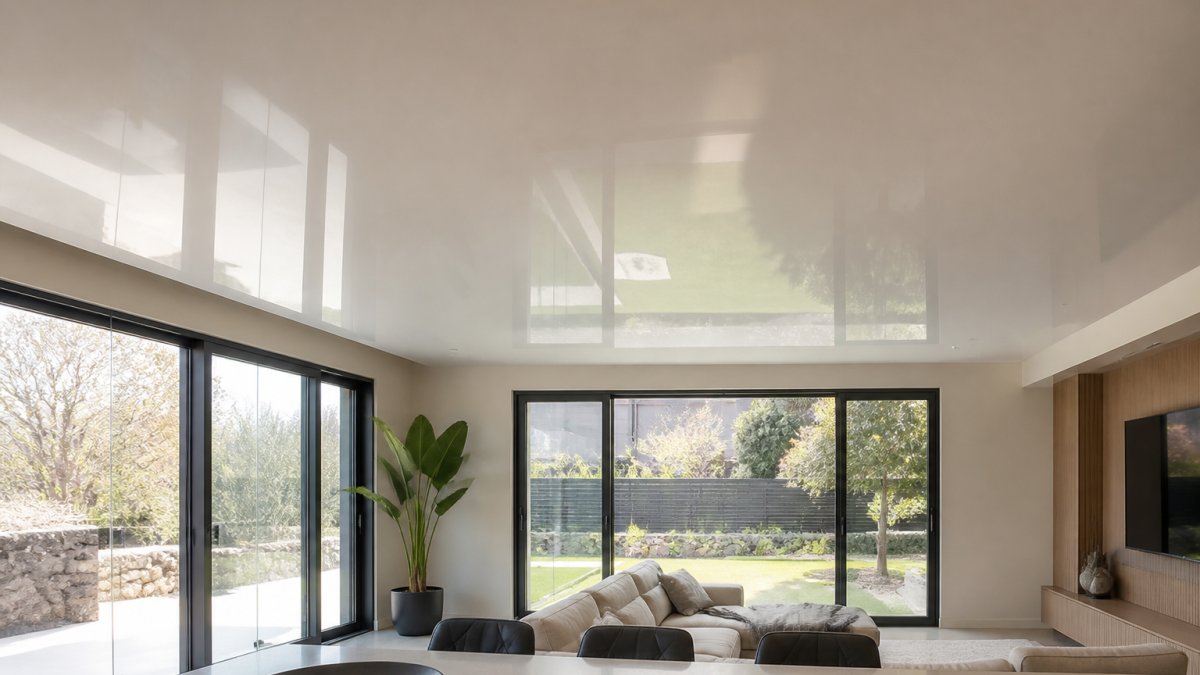
Stretch fabric ceilings come in multiple finishes and colours, allowing you to customise the appearance to match your interior design. Matt finishes create a subtle, contemporary look that works well in minimalist or modern spaces. Satin finishes add a gentle sheen and work particularly well in kitchens and bathrooms where light reflection is desirable. Gloss finishes create a more dramatic, reflective surface, less common in residential settings but striking in the right space.
Colour options extend beyond white. Soft greys, warm creams, pale blues, and other neutral tones are available. A coloured ceiling can make a space feel cosier or more expansive depending on the shade and finish you select.
The applications are diverse. In kitchens, a stretch ceiling modernises the space whilst resisting steam and cooking odours. In bathrooms, it eliminates the mould and discolouration problems that plague traditional plasterboard in humid environments. In bedrooms, it creates a clean, contemporary backdrop that works with any décor. For indoor swimming pools, the moisture resistance is invaluable, traditional ceilings deteriorate rapidly in pool environments, but stretch fabric ceilings handle the humidity without degradation.
Some architects and interior designers specify stretch ceilings as a design feature rather than a purely functional solution. The seamless, flawless finish creates a high-end appearance that can elevate an entire space. The ability to choose finishes and colours means the ceiling becomes part of the overall design scheme rather than an afterthought.
Is a Stretch Fabric Ceiling Right for Your Home?
A stretch fabric ceiling is right for your home if you're seeking a modern, durable finish without the disruption of traditional plastering. It works exceptionally well if your existing ceiling is damaged, stained, or outdated. If you have limited ceiling height, however, the 50-100mm drop might make rooms feel cramped, so measure carefully before committing.
Consider your budget. The cost is higher than basic plastering. You won't need to redecorate the ceiling for many years, and there's no ongoing maintenance beyond occasional light cleaning.
If you live in a moisture-prone environment, a bathroom with poor ventilation, a kitchen with frequent steam, or an indoor pool, a stretch ceiling is particularly valuable. It will outlast traditional plasterboard and resist mould and humidity damage far more effectively.
The aesthetic is modern and seamless. If your interior design favours contemporary, minimalist, or clean-lined styles, a stretch ceiling complements that aesthetic perfectly. If your home is traditional or period, the ceiling might feel out of place, though some homeowners successfully blend modern ceilings with period interiors.
The installation speed is compelling for many households. If you work from home or have young children, the fact that installation takes one to three days rather than weeks is a significant advantage. There's minimal dust, minimal disruption, and minimal stress.
A stretch fabric ceiling transforms overlooked or damaged ceilings into a seamless, modern design feature. At Stretcharama, we specialise in delivering exactly that, a swift, clean installation that revitalises your space without the mess and disruption of traditional plastering. Our team covers cracked or stained ceilings, modernises outdated Artex finishes, and provides a flawless ceiling that works beautifully in kitchens, bathrooms, and moisture-prone environments. Request a consultation with Stretcharama to see how a stretch ceiling can transform your home, or speak with our team about your specific requirements and timeline.
Frequently Asked Questions
What is a stretch fabric ceiling?
A stretch fabric ceiling is a thin, flexible membrane stretched across a frame attached to your existing ceiling. The fabric is typically polyester or PVC, and it creates a seamless, smooth finish that hides cracks, stains, and outdated surfaces beneath. Unlike traditional plastering, installation produces no dust, making it ideal for homes with children, pets, or those seeking minimal disruption.
How long does a stretch ceiling installation take?
Most stretch ceiling installations take between one and three days, depending on room size and complexity. The process involves fitting the frame, heating the fabric, and stretching it into place. You can typically return to normal use immediately after completion, with no drying time required. This speed makes stretch fabric ceilings particularly appealing for busy households or those working from home.
How do you maintain a stretch fabric ceiling?
Stretch fabric ceilings require minimal maintenance. Dust them gently with a soft, dry cloth every few months. Avoid abrasive cleaners and excessive moisture. For stains, use a slightly damp microfibre cloth with mild soap and water. In moisture-prone areas like bathrooms or pool rooms, ensure adequate ventilation. Most stretch ceilings remain pristine with basic care, making them a low-effort long-term investment.
What are the main disadvantages of stretch ceilings?
The primary drawbacks include potential for puncture if sharp objects strike the fabric. Professional installation is essential; DIY attempts usually fail.