 how-to
Artex Ceiling Removal: A Step-by-Step Guide
Table of Contents
- Why Artex Ceilings Need Attention
- Artex Ceiling Asbestos Testing: What You Need to Know
- How to Cover an Artex Ceiling Without Removal
- Artex Ceiling Removal Cost: What to Expect
- Artex Removal Time: Planning Your Project Timeline
- Preparing Your Home for Artex Ceiling Work
- Common Mistakes to Avoid During Artex Ceiling Work
- Frequently Asked Questions
Last Updated: October 21, 2026
Why Artex Ceilings Need Attention
Artex ceilings, those textured finishes popular in the 1980s and 1990s, have become a genuine problem for many homeowners considering artex ceiling removal. The bumpy, uneven surface traps dust, discolours easily, and clashes with modern interior design. Worse, older Artex contains asbestos, which poses serious health risks if disturbed. Whether your Artex is cracked, stained, or simply outdated, the question isn't whether to address it, it's how.
Most people assume they have only two options: live with the dated ceiling or hire a plasterer to skim it over. Both come with significant drawbacks. Traditional plastering creates weeks of disruption, dust clouds that settle everywhere, and costs that climb quickly. This is where the real problem emerges: homeowners need a solution that's fast, clean, and effective without tearing their home apart.
At Stretcharama, we understand this frustration. The good news is that modern alternatives now exist that deliver superior results in a fraction of the time.
Artex Ceiling Asbestos Testing: What You Need to Know
Before you do anything to your Artex ceiling, you need to establish whether it contains asbestos. This is the critical first step, not optional, not something to skip. Artex applied before 2000 frequently contains asbestos fibres, which become dangerous only when disturbed or damaged.
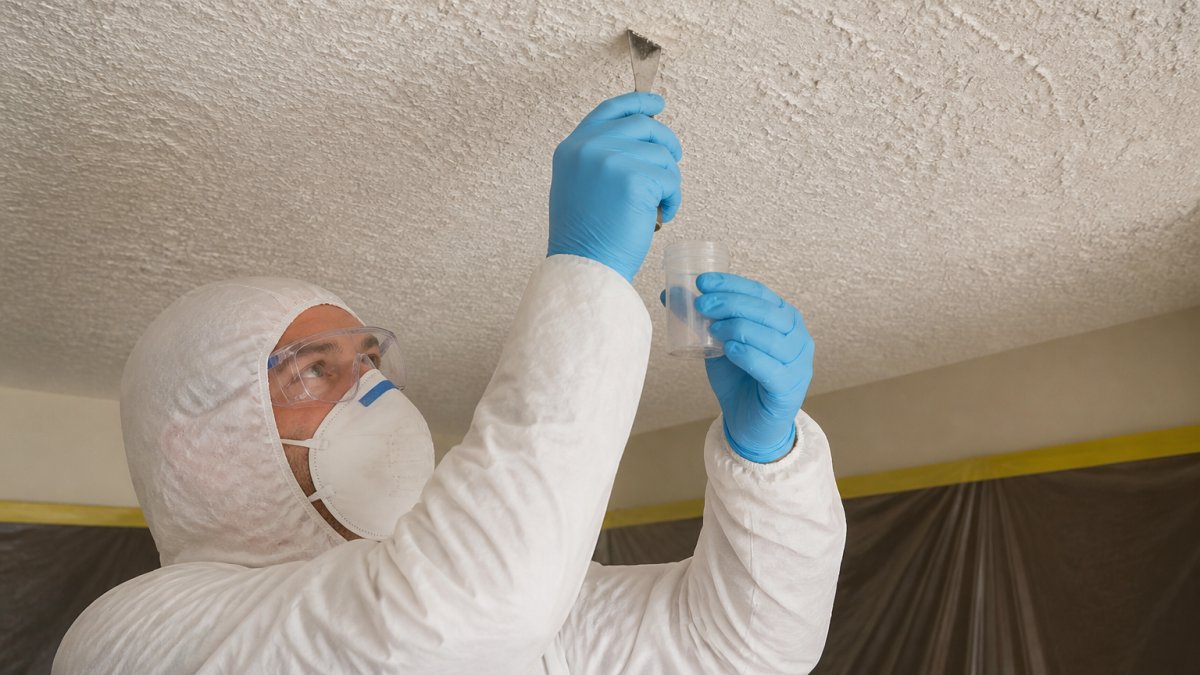
The Health and Safety Executive (HSE) provides clear guidance on asbestos in buildings (The duty to manage asbestos in buildings: Overview). If your Artex is in good condition and you're not planning to remove it, leaving it undisturbed is often the safest approach. However, if it's cracked, flaking, or you're considering removal or covering, testing becomes essential.
You have two paths forward. First, you can hire a licensed asbestos surveyor to collect samples and send them to an accredited laboratory. This costs between £150 and £400 depending on location and the number of samples needed. The surveyor will provide a formal report detailing whether asbestos is present and in what concentration. Second, if you're planning to cover the ceiling with a stretch ceiling installation rather than remove it, the asbestos remains sealed and poses no risk, this eliminates the need for expensive testing and removal.
Many homeowners don't realise this: covering an Artex ceiling is often safer and faster than trying to remove it. A professional stretch ceiling installation seals the Artex completely, preventing any fibre release whilst delivering a flawless modern finish.
How to Cover an Artex Ceiling Without Removal
Covering an Artex ceiling is the practical middle ground between leaving it as-is and undertaking expensive removal. Several methods exist, each with different timescales, costs, and aesthetic outcomes.
The simplest approach is boarding over the ceiling. Plasterboard sheets are fixed directly to the existing structure, creating a smooth surface ready for decoration. This works well if your ceiling height permits it, though it does reduce headroom slightly. The process takes several days and generates moderate dust during installation and finishing.
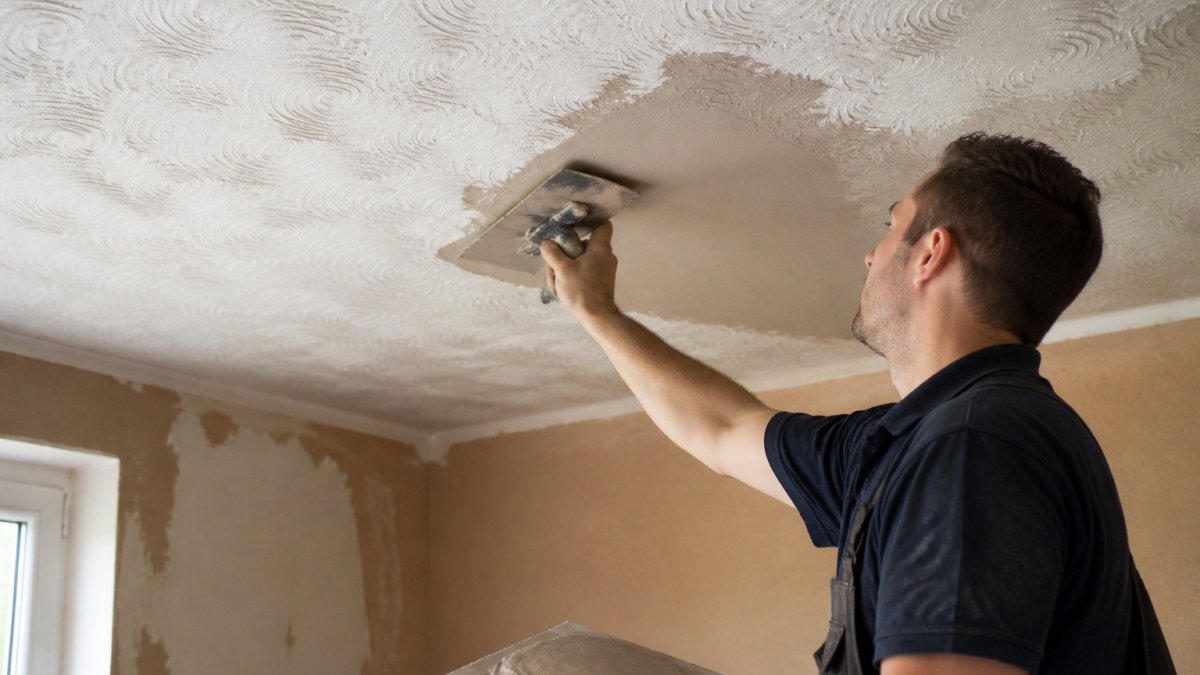
Skimming is another traditional option. A plasterer applies a thin layer of plaster over the Artex, smoothing it to create a flat surface. This preserves ceiling height but requires skilled application and extended drying time between coats. The work creates significant dust, and the finished surface can sometimes show imperfections if the Artex underneath is severely uneven.
Stretch Ceiling Installation as a Modern Solution
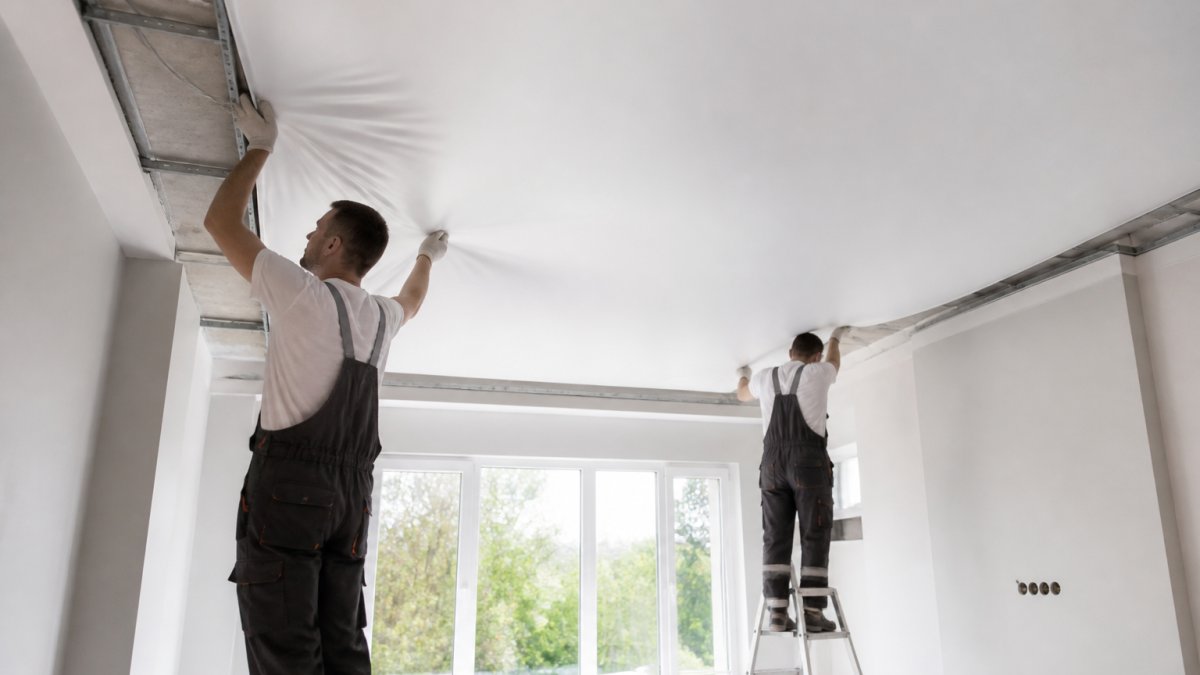
Stretch ceilings offer a fundamentally different approach. A fabric membrane is stretched across a perimeter track installed around your room's walls. The Artex remains completely undisturbed beneath, sealed and harmless.
The advantages are substantial. Installation typically completes in one or two days with minimal disruption. There's no dust, no drying time, no need for asbestos testing or removal. The finish is flawless, moisture-resistant, and available in various colours and finishes to suit any interior. For homeowners with indoor swimming pools, stretch ceilings are particularly valuable, they resist humidity and condensation far better than traditional plaster.
Stretcharama specialises in this solution. Our stretch ceiling installations transform dated Artex into contemporary, seamless finishes without the mess and delay of conventional methods. The membrane is durable, easy to clean, and maintains its appearance for years.
Artex Ceiling Removal Cost: What to Expect
The cost of addressing your Artex ceiling depends entirely on which method you choose and your room's size and condition.
Asbestos testing costs between £150 and £400 if you proceed with removal. Actual removal by a licensed contractor typically ranges from £1,500 to £5,000 for an average room, depending on the asbestos concentration and local disposal requirements. This is expensive because licensed removal requires specialist equipment, protective measures, and certified disposal.
Boarding over the ceiling costs roughly £400 to £800 for materials and labour in a standard room. Skimming generally falls between £300 and £600. These are ballpark figures, your actual cost depends on ceiling size, existing damage, and local labour rates.
Stretch ceiling installation pricing depends on room dimensions, chosen finish, and complexity. Rather than estimate, we recommend requesting a consultation with Stretcharama to receive an accurate quote based on your specific space.
Artex Removal Time: Planning Your Project Timeline
Timeline matters when you're living in the space during renovation. Traditional methods are disruptive and slow.
Asbestos removal takes 3 to 7 days depending on the room size and contamination level. The contractor must establish containment barriers, remove the material carefully, and dispose of it through licensed channels. You'll need to vacate the room during this period.
Boarding takes 2 to 4 days for installation and finishing. Skimming requires longer, typically 5 to 10 days when you account for multiple coats and drying time between applications.
Stretch ceiling installation is the fastest option. Most rooms complete in a single day. The membrane is fitted, tensioned, and finished in hours. You can use the room immediately afterwards with no curing time or drying delays.
If minimising disruption is your priority, this speed advantage is significant. You avoid weeks of contractors coming and going, dust settling on everything, and temporary displacement from your own home.
Preparing Your Home for Artex Ceiling Work
Proper preparation protects your belongings and ensures the work proceeds smoothly.
Clear the room completely or move furniture to the centre and cover it thoroughly. Any ceiling work generates dust or debris, even stretch ceiling installation, which is cleaner than alternatives, involves some activity in the space. Remove light fittings, smoke detectors, and any wall-mounted fixtures near the ceiling.
Protect flooring with dust sheets or temporary coverings. For traditional methods like skimming or boarding, this is essential; the work creates substantial mess. Even with stretch ceilings, a protective layer prevents damage.
Ensure adequate ventilation. Open windows and doors to allow dust and fumes to escape. If you have pets or children, arrange for them to stay elsewhere during the work, ceiling dust is not something you want them breathing.
Communicate with your contractor about access, parking, and working hours. Confirm whether they'll handle waste removal or if you need to arrange collection. Ask about protection for fixtures you want to keep, light switches, wall decorations, and architectural features near the ceiling.
Common Mistakes to Avoid During Artex Ceiling Work
The most common mistake is rushing into removal without testing for asbestos. This creates unnecessary expense and health risk. Testing takes days; removal takes weeks. Test first, then decide your approach.
Second, many homeowners underestimate the mess of traditional methods. Plaster dust penetrates everywhere, into cupboards, onto electronics, into soft furnishings. If you choose boarding or skimming, accept that your home will be disrupted for days and plan accordingly.
Third, selecting the wrong contractor wastes money and delivers poor results. Ask for references, view previous work, and confirm they're properly insured and qualified. For asbestos removal, verify they hold the necessary licences. For stretch ceilings, check their installation experience and warranty terms.
Fourth, ignoring moisture issues before covering your ceiling causes problems later. If your Artex shows water stains or signs of damp, address the source before installing a new ceiling. Stretch ceilings seal moisture underneath, potentially causing mould growth if the underlying problem isn't resolved first.
Finally, underestimating the value of speed. If you're living in the space, the fastest solution often provides the best value despite potentially higher per-unit cost. Days of disruption have a real cost, lost work time, stress, and inconvenience to your family.
Artex ceilings are a common frustration for homeowners seeking to modernise their interiors. Whether your concern is asbestos safety, aesthetic improvement, or moisture resistance, the solution you choose should be fast, effective, and minimise disruption to your home. Stretcharama's stretch ceiling installations deliver exactly this, a flawless, contemporary finish installed in a single day without dust, mess, or the safety concerns of traditional removal. Request a consultation with our team to discuss your specific needs and receive a tailored quote for transforming your Artex ceiling into a modern design feature.
Frequently Asked Questions
Can I remove an Artex ceiling myself, or should I hire a professional?
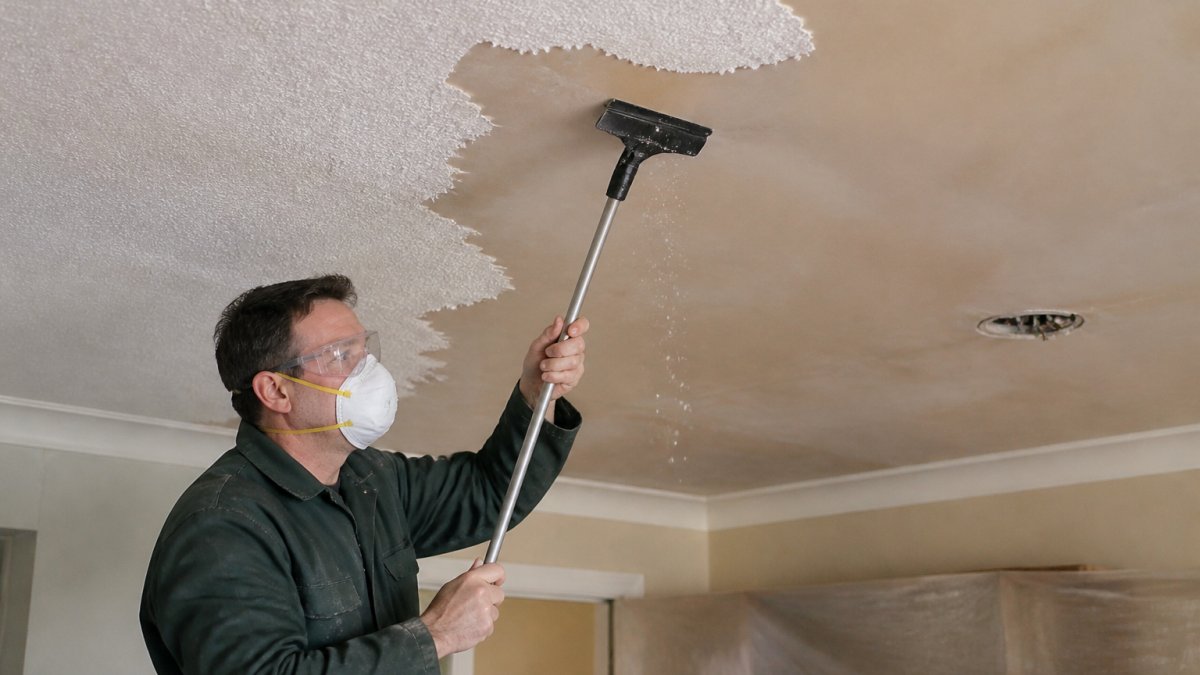
Artex ceiling removal requires specialist knowledge, particularly around asbestos safety. If your Artex contains asbestos, only licensed professionals should handle it. Even asbestos-free Artex creates significant dust and mess. Professional removal ensures proper containment, safe disposal, and a clean finish. DIY attempts often damage the plasterboard underneath and create health hazards. Professional contractors have the equipment, training, and insurance to complete the job safely and efficiently.
How long does Artex ceiling removal typically take?
Artex removal time depends on room size, ceiling condition, and whether asbestos is present. Standard removal for a typical bedroom takes 1-3 days. Larger spaces or heavily textured ceilings may require longer. If asbestos testing is needed, add 1-2 weeks for lab results. Stretch ceiling installation as an alternative often completes faster, typically within 1-2 days without the mess or extended disruption of traditional removal.
Should I test my Artex ceiling for asbestos before doing anything?
Yes. Most Artex installed before the 1990s likely contains asbestos. Testing is essential before any disturbance, removal, covering, or drilling. A specialist will take samples and send them to a laboratory for analysis. This typically costs £100-£300 and takes 1-2 weeks for results. If asbestos is confirmed, licensed contractors must handle removal under strict regulations. Testing protects your health and ensures legal compliance with the Control of Asbestos Regulations 2012.
What's the difference between Artex removal and covering it with a stretch ceiling?
Removal involves stripping the Artex completely, which creates dust, takes longer, and costs more. Covering with a stretch ceiling is faster, cleaner, and eliminates dust entirely. Stretch ceilings hide damaged or stained Artex, modernise the space, and work well in moisture-prone areas like bathrooms and pool rooms. Both approaches solve the problem, but covering avoids the disruption and mess of traditional removal while achieving a contemporary finish.