 comparison
Stretch Ceilings for Bathroom Moisture: A 2026 Review
Table of Contents
- Are Stretch Ceilings Good for Bathroom Moisture?
- Stretch Ceiling Bathroom Pros and Cons
- Are Stretch Ceilings Waterproof?
- Stretch Ceiling vs Plasterboard Bathroom
- How to Clean a Stretch Ceiling
- Installation Speed and Minimal Disruption
- Conclusion: Is a Stretch Ceiling Right for Your Bathroom?
- Frequently Asked Questions
Last Updated: October 18, 2026
Are Stretch Ceilings Good for Bathroom Moisture?
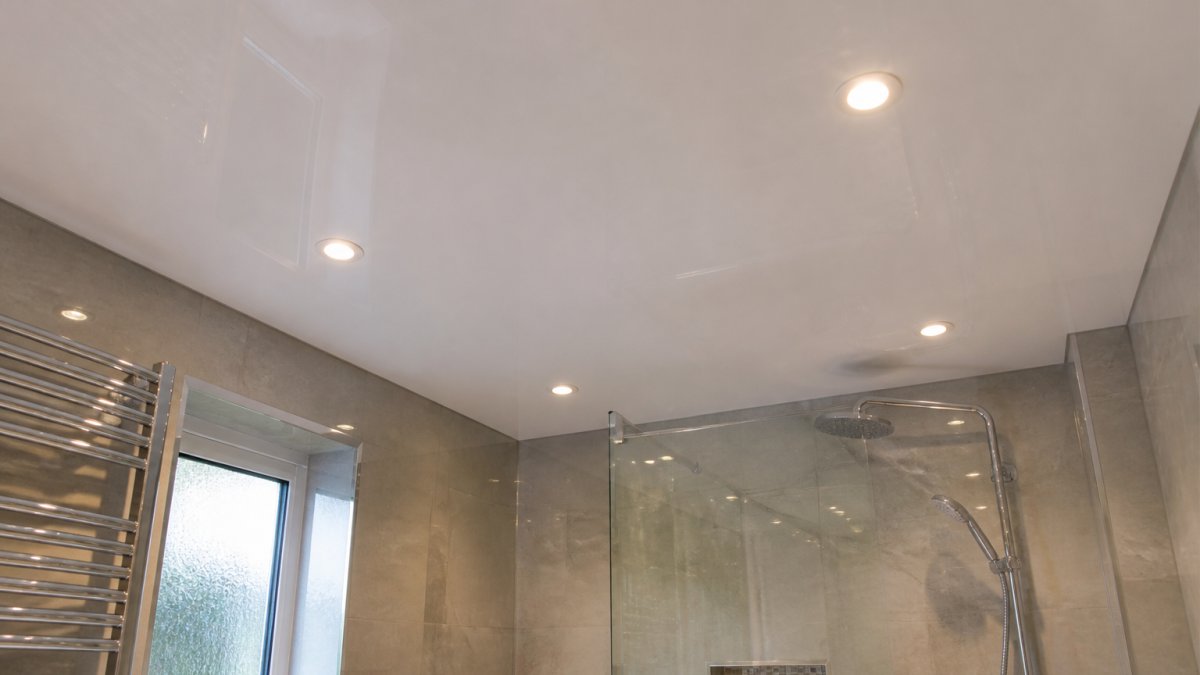
A stretch ceiling is a thin, tensioned PVC or fabric membrane stretched across a frame installed below the existing ceiling structure. The material itself does not absorb water, making it naturally resistant to stretch ceiling bathroom moisture and steam that bathrooms generate daily.
Bathrooms present one of the harshest environments in any home. Showers produce steam, condensation builds on surfaces, and humidity levels spike regularly, creating stretch ceiling bathroom moisture that traditional ceiling materials struggle to withstand. Plasterboard swells and weakens when wet. Artex and textured finishes trap moisture, becoming breeding grounds for mould and mildew.
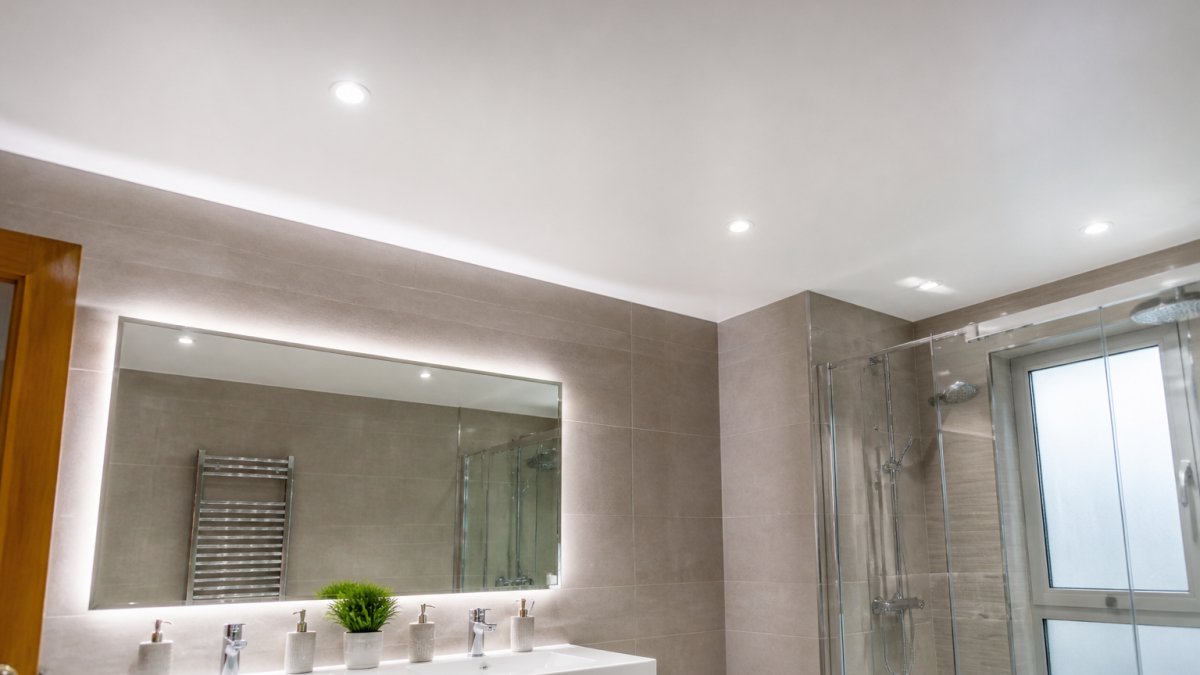
At Stretcharama, we've installed stretch ceilings in hundreds of bathrooms across the UK, from small en-suites to luxury spa-like spaces. The material handles steam, condensation, and humidity without degradation. It won't sag, crack, or harbour mould like conventional ceilings do. For homeowners tired of replacing damaged plasterboard every few years, this durability matters.
The real appeal goes beyond moisture resistance. A stretch ceiling creates a completely seamless finish, no joints, no seams, no weak points where water can penetrate. This eliminates one of the main failure points of traditional ceilings. Combined with the fact that installation produces no dust and causes minimal disruption, stretch ceilings solve multiple bathroom renovation frustrations simultaneously.
Stretch Ceiling Bathroom Pros and Cons
The advantages of a stretch ceiling in a bathroom are substantial, but the solution isn't perfect for every situation. Understanding both sides helps you make an informed decision.
Pros of stretch ceilings in bathrooms:
Moisture resistance is the headline benefit. The PVC or polyester material doesn't absorb water, so it remains unaffected by humidity, steam, and condensation.
Installation is fast and clean. A traditional ceiling renovation involving plasterboard removal and replastering creates weeks of dust, noise, and disruption. A stretch ceiling installs in days, often in a single visit.
The finish is seamless and contemporary. Stretch ceilings create a perfectly smooth, joint-free surface that looks modern and high-end. No visible fixings, no imperfections, just a clean expanse overhead.
Longevity is impressive. A properly installed stretch ceiling lasts 15-20 years or more without degradation, even in high-moisture environments. You won't need to replace or repair it repeatedly like you might with traditional ceilings.
Cons of stretch ceilings in bathrooms:
Initial cost is higher than basic plasterboard repair. A stretch ceiling requires professional installation, custom fabrication, and specialist materials.
The material can feel plasticky to some people. Whilst the finish is genuinely high-quality, some homeowners perceive it as less "natural" than plaster.
Damage requires professional repair. If the membrane gets punctured or torn, you can't patch it yourself like you might patch a plasterboard ceiling. Repairs require the installer to return, which adds cost and inconvenience.
Limited colour and finish options compared to painted plaster. Stretch ceilings come in a range of colours and finishes, but the selection isn't infinite.
Are Stretch Ceilings Waterproof?
This question requires a precise answer because "waterproof" means different things in different contexts. A stretch ceiling is not waterproof in the sense that it can withstand standing water or active leaks from above. However, it is highly resistant to moisture, steam, and condensation, the types of water exposure typical in a bathroom.
The PVC or polyester membrane does not absorb moisture. Water beads on the surface and either evaporates or drains away. This makes it functionally waterproof for bathroom conditions where steam and humidity are the primary moisture sources.
Where the distinction matters: if you have a roof leak, a burst pipe, or water pooling on top of the ceiling, the stretch membrane will eventually fail under sustained pressure. It's not designed to hold back active water damage. For this reason, any structural water issues must be resolved before installation.
In normal bathroom use, showers, baths, sinks, ventilation, a stretch ceiling performs as a waterproof surface. It won't develop mould, won't absorb moisture, and won't degrade from daily humidity. This is why the material is specified for bathrooms, swimming pool areas, and other high-moisture environments across the industry.
Research from Laqfoil's bathroom moisture guidance confirms that stretch ceilings are engineered specifically for humid bathroom conditions, including steam and moisture exposure. The material's resistance to moisture is a core design feature, not an afterthought.
Stretch Ceiling vs Plasterboard Bathroom
Comparing stretch ceilings to traditional plasterboard reveals why homeowners increasingly choose the former for bathrooms. The differences span durability, installation, maintenance, and long-term cost.
Plasterboard ceilings in bathrooms:
Plasterboard is affordable upfront. A basic skim coat over existing plasterboard or new sheets costs less initially than a stretch ceiling. For budget-conscious renovations, it's the obvious choice.
However, plasterboard absorbs moisture. In a bathroom, this is a fundamental weakness. Moisture penetration causes the material to swell, weaken, and eventually fail.
Installation is disruptive. Removing old ceiling and installing new plasterboard generates dust, requires multiple visits for skimming and drying, and typically takes weeks. Your bathroom is unusable during this period.
Maintenance is ongoing. Moisture damage, mould growth, and general wear require periodic repairs. Many homeowners find themselves repainting or patching their bathroom ceiling every few years.
Stretch ceilings in bathrooms:
Stretch ceilings cost more upfront but deliver superior durability. The material resists moisture indefinitely, eliminating the need for repeated repairs.
Installation is rapid and clean. A stretch ceiling typically installs in one to two days with minimal disruption. No plaster dust, no extended drying times, no weeks of bathroom unavailability.
Maintenance is minimal. The seamless finish doesn't trap dirt or mould. Cleaning is as simple as gentle wiping with a damp cloth. Most homeowners never need to address their stretch ceiling again after installation.
| Aspect | Plasterboard | Stretch Ceiling |
|---|---|---|
| Moisture resistance | Poor; absorbs water | Excellent; sheds moisture |
| Mould risk | High in bathrooms | Minimal |
| Installation time | 2-4 weeks | 1-2 days |
| Installation mess | Significant dust | Minimal disruption |
| Maintenance | Regular repairs needed | Virtually none |
| Lifespan in bathrooms | 5-10 years | 15-20+ years |
| Long-term cost | Higher (repeated repairs) | Lower (durability) |
For a bathroom specifically, stretch ceilings outperform plasterboard on nearly every measure except initial price. The durability and low maintenance justify the higher upfront investment.
How to Clean a Stretch Ceiling
One of the practical advantages of a stretch ceiling is that cleaning is straightforward and infrequent. The seamless, non-porous surface doesn't trap dust or allow mould to establish itself like textured finishes do.
Regular maintenance:
Most of the time, a stretch ceiling requires no cleaning at all. Dust settles minimally on the smooth surface, and moisture doesn't promote mould growth. If dust does accumulate, a gentle wipe with a soft, dry cloth removes it.
For visible marks or stains:
Use a soft microfibre cloth lightly dampened with lukewarm water. Avoid abrasive materials or harsh chemicals, which can damage the membrane. Gently wipe the affected area.
What to avoid:
Never use scouring pads, brushes, or abrasive cleaners. Don't apply high-pressure water jets or steam cleaners directly to the ceiling. Avoid bleach or solvent-based products, which can degrade the material. Keep sharp objects away from the surface to prevent punctures.
Moisture and ventilation:
Ensure your bathroom extractor fan is working properly. Good ventilation prevents excessive moisture build-up, which reduces the need for cleaning and keeps the ceiling in optimal condition. Run the fan during and for 15-20 minutes after showers.
The reality is that most homeowners clean their stretch ceiling rarely, if ever. The material's resistance to dust, mould, and moisture means it stays clean naturally. This is a sharp contrast to textured or porous ceilings, which require regular cleaning and are prone to visible staining and discolouration over time.
Installation Speed and Minimal Disruption
One of the most compelling reasons homeowners choose stretch ceilings is the speed and simplicity of installation. For those living in their home during renovation, this advantage is transformative.
A traditional ceiling renovation, removing old plasterboard, installing new sheets, skimming with plaster, drying, and painting, typically takes 3-4 weeks. Your bathroom is partially or completely inaccessible during this time. Dust permeates the room and spreads throughout the house. Multiple visits from tradespeople stretch the project across weeks.
A stretch ceiling installs in 1-2 days. The membrane is custom-fabricated to your exact ceiling dimensions, then stretched into place by specialists. Once complete, the ceiling is finished. No drying time, no return visits, no extended disruption.
The installation process itself is clean. Whilst the frame is fitted to your existing ceiling structure, the work doesn't generate the clouds of plaster dust associated with traditional methods. Your bathroom remains usable almost immediately after completion.
This speed matters particularly for families with young children, people working from home, or anyone who can't tolerate weeks of construction disruption. Stretcharama's installation model reflects this reality, we complete most bathroom projects within a single day or two, minimising inconvenience and allowing you to enjoy your renovated space immediately.
For property investors, the quick installation timeline is equally valuable. Vacant properties can be upgraded rapidly, reducing holding costs and accelerating the path to sale or rental.
Conclusion: Is a Stretch Ceiling Right for Your Bathroom?
A stretch ceiling solves the central problem that makes bathroom renovations frustrating: moisture damage combined with installation disruption. The material resists humidity and steam indefinitely, eliminating the mould, swelling, and deterioration that plague traditional plasterboard. Installation is fast, clean, and minimally disruptive, a sharp contrast to weeks of plaster dust and noise.
Stretcharama specialises in exactly this application. We install seamless, moisture-resistant stretch ceilings that cover cracked or stained ceilings, modernise outdated Artex finishes, and provide a flawless, contemporary ceiling finish without the mess of traditional plastering. Our process is proven across hundreds of bathrooms across the UK, and our installations last 15-20 years or more without degradation.
If your bathroom ceiling is showing age, moisture damage, or you're simply ready for a modern upgrade without weeks of disruption, request a consultation with Stretcharama. We'll assess your space, discuss your options, and provide a quote tailored to your specific needs.
Frequently Asked Questions
Are stretch ceilings suitable for bathrooms?
Yes. Stretch ceilings are designed to withstand bathroom moisture, steam and humidity. The PVC membrane does not absorb water, making it resistant to damage from moisture exposure. This makes them particularly effective in bathrooms where traditional plasterboard would be prone to dampness and deterioration. They're also suitable for indoor swimming pool areas where moisture levels are consistently high.
Can bathroom moisture damage a stretch ceiling?
Stretch ceilings are engineered to resist moisture and will not absorb water the way plasterboard does. The material is moisture-resistant and prevents mould and mildew growth, which commonly affect traditional ceilings in humid bathrooms. However, if a leak occurs above the ceiling, the membrane will collect water and should be drained to prevent damage to the structure above.
How do you clean a stretch ceiling in a bathroom?
Clean a stretch ceiling with a soft, lint-free cloth and mild soapy water. Avoid abrasive cleaners, scouring pads or harsh chemicals, as these can damage the membrane. For stubborn marks, use a gentle microfibre cloth with minimal pressure. Regular light dusting prevents dust accumulation. Never use steam cleaners or high-pressure water, as these can harm the material and seams.
Is a stretch ceiling better than plasterboard in a bathroom?
Stretch ceilings offer several advantages over plasterboard in bathrooms. They don't absorb moisture, resist mould and mildew, require no maintenance painting, and install without dust or mess. Plasterboard, by contrast, is porous and absorbs humidity, leading to sagging, discolouration and mould growth over time. Stretch ceilings also install faster, typically in one day, compared to plasterboard installation and finishing, which takes weeks.
What happens to a stretch ceiling if there is a leak?
If water leaks from above, the stretch ceiling membrane will collect and hold the water, acting as a temporary barrier. The water pools in the ceiling without dripping into the room below. Once the leak is repaired, the water must be carefully drained from the ceiling to prevent structural damage or mould growth in the space above. The membrane itself will not be permanently damaged by water exposure.