 comparison
Best Covers for Cracked Ceilings: No Mess, No Fuss
Table of Contents
- Why Cracked and Stained Ceilings Need Covering
- How to Cover a Cracked Ceiling Without Traditional Plastering
- How to Cover Water Stains on a Ceiling
- Ceiling Panels to Cover Damaged Ceilings
- Stretch Ceiling Installation: A Clean Alternative
- Comparing Your Options: Installation Time and Disruption
- Choosing the Right Solution for Your Home
- Frequently Asked Questions
Last Updated: October 16, 2026
Why Cracked and Stained Ceilings Need Covering
Cracked or stained ceilings are far more than cosmetic problems. They signal underlying moisture, age, or structural stress, and they're the first thing visitors notice when they look up. At Stretcharama, we understand the frustration homeowners face: traditional plastering solutions promise a fresh start, but they deliver dust, disruption, and weeks of upheaval. The good news is that modern alternatives exist, and many of them avoid renovation mess entirely.
When a ceiling shows damage, most homeowners assume they need scaffolding, plasterers, and a house full of plaster dust for weeks. That assumption costs time, money, and sanity. Fortunately, covers for cracked or stained ceilings now range from simple panel systems to premium stretch installations. Each approach trades off speed, aesthetics, disruption, and cost differently. Understanding those trade-offs matters because the wrong choice can leave you with a solution that looks cheap, requires maintenance, or doesn't actually solve the underlying problem.
The real question isn't whether to cover the ceiling, it's which method delivers the result you want without the chaos. Some solutions work brilliantly for rental properties or temporary fixes. Others create a flawless, permanent finish that becomes a design feature. Here's how to decide.
How to Cover a Cracked Ceiling Without Traditional Plastering
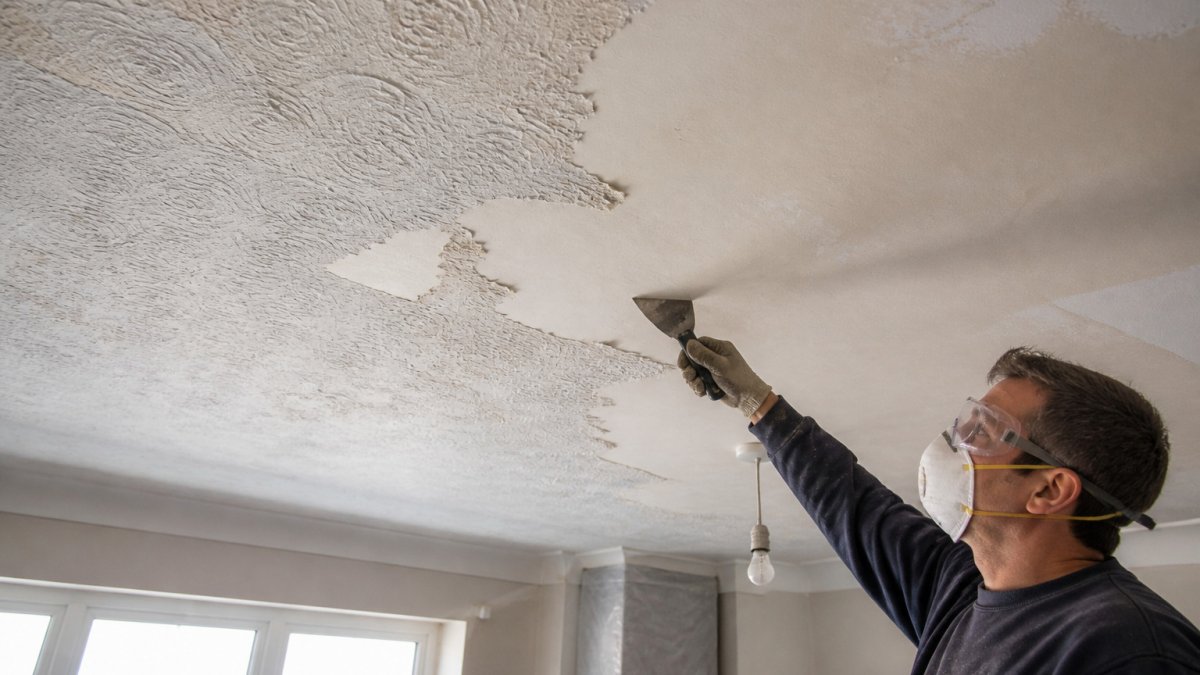
The most straightforward way to cover a cracked ceiling is to avoid traditional plastering altogether. Plastering requires surface preparation, multiple coats, drying time between coats, sanding, and priming. It's messy, it's slow, and it disrupts your home for weeks. Modern alternatives skip most of that process.
Drop-ceiling systems are the quickest DIY-friendly option. You install a suspended frame below the existing ceiling and clip in tiles or panels. This approach takes days, not weeks, and creates a finished look immediately. The downside: drop ceilings lower your room height noticeably and can feel institutional. They work well in basements, garages, or utility spaces, less so in living rooms where ceiling height matters.
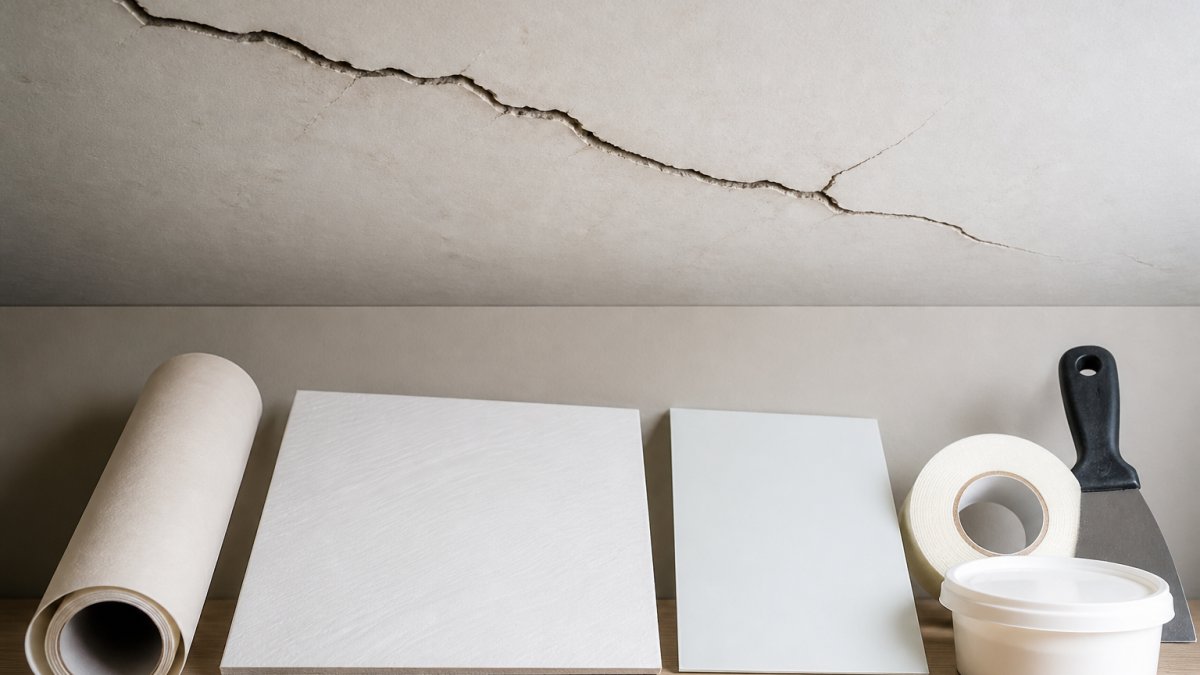
Ceiling panels offer a middle ground. You can glue rigid panels directly to the existing ceiling, creating a flat, finished surface without lowering the room. Installation takes 2-3 days for an average room, and cleanup is minimal. The trade-off is that panels can feel slightly plasticky if you choose budget materials, and they're not ideal for high-moisture environments like bathrooms or pool rooms.
For a genuinely seamless finish without mess, stretch ceiling installation eliminates the problem entirely. A stretch membrane is attached to a perimeter frame, creating a smooth, gap-free surface that hides all ceiling imperfections. There's no dust, no plaster, and no drying time. The installation is clean and professional, and the result looks nothing like a temporary fix.
How to Cover Water Stains on a Ceiling
Water stains demand a different approach than structural cracks because they often signal an active or recent moisture problem. Covering a stain without fixing the leak is like putting a plaster on a wound that's still bleeding; the damage will return.
Before choosing any cover solution, identify the source of the stain. Is the roof leaking? Is there a plumbing issue above? Is it just old discolouration from a problem that's since been resolved? If moisture is still present, any cover will fail.
Once the moisture problem is resolved, water stains can be covered with several methods. Paint-over solutions work if the stain is old and the ceiling is otherwise sound. Two coats of stain-blocking primer followed by ceiling paint will hide most discolouration. This is the cheapest option and requires no installation, just a weekend of prep and painting.
For a more durable solution, ceiling panels designed for moisture resistance are ideal. PVC panels resist water absorption and won't warp or discolour over time. They're particularly useful in kitchens and bathrooms where humidity is constant. Installation takes 2-3 days, and the finish is clean and modern.
Stretch ceilings are especially effective in moisture-prone environments. The membrane is inherently moisture-resistant and won't stain or discolour. If you have an indoor swimming pool, a bathroom with chronic humidity, or a kitchen prone to steam damage, a stretch ceiling will outlast and outperform traditional solutions.
Ceiling Panels to Cover Damaged Ceilings
Ceiling panels are rigid sheets, typically made from PVC, polystyrene, or composite materials, that attach directly to the existing ceiling or to a suspended frame. They're one of the most popular DIY-friendly solutions because installation is straightforward and results are immediate.
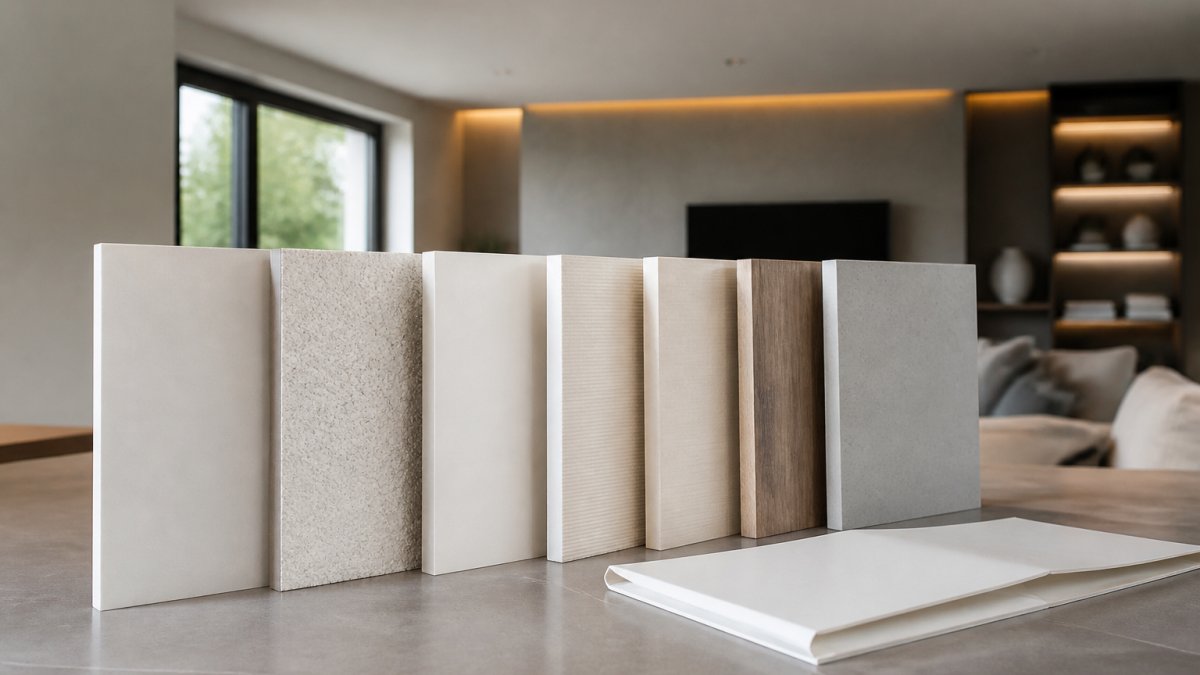
PVC panels are the most durable option. They resist moisture, won't sag, and maintain their appearance for years. They're easy to clean and come in various finishes: plain white, textured, or wood-look designs. Installation involves either gluing panels directly to the ceiling or clipping them into a frame system.
Polystyrene panels are lighter and cheaper than PVC. They're easier to cut and install, making them popular for DIY projects. However, they're less durable, they can crack or discolour over time, and they're not suitable for high-moisture areas. They work well for temporary solutions or rental properties where durability matters less than cost.
Composite panels blend aesthetics with practicality. Some are designed to mimic tin ceilings or coffered designs, adding architectural interest to a plain room. Others offer acoustic properties that reduce noise. These premium panels cost more, typically £30-£60 per square metre, but they can transform a space visually while solving the damage problem.
The main limitation of ceiling panels is that they don't create a truly seamless finish. There are always seams where panels meet, and those seams can accumulate dust or show shadows under certain lighting. For a flawless, gap-free appearance, panels fall short compared to stretch ceilings.
Stretch Ceiling Installation: A Clean Alternative
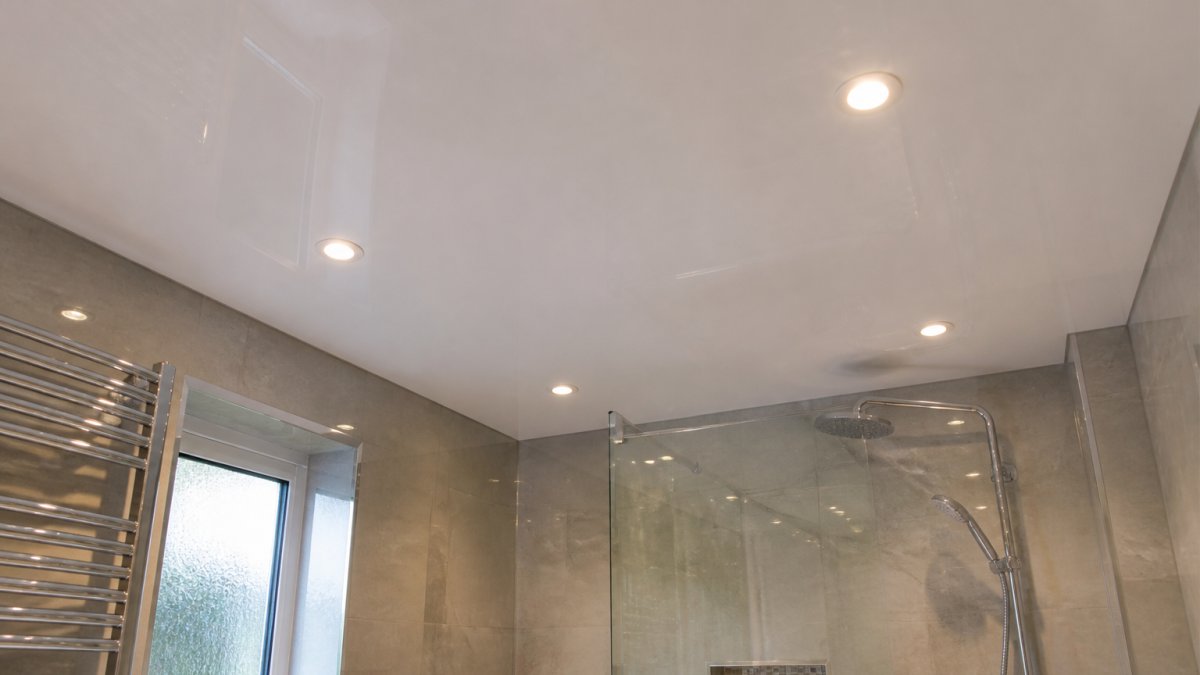
Stretch ceilings represent the premium end of the market, offering a solution that covers cracked ceilings with a seamless, professional finish. A stretch membrane is heat-welded to a perimeter frame, creating a smooth, continuous surface with no visible seams or imperfections.
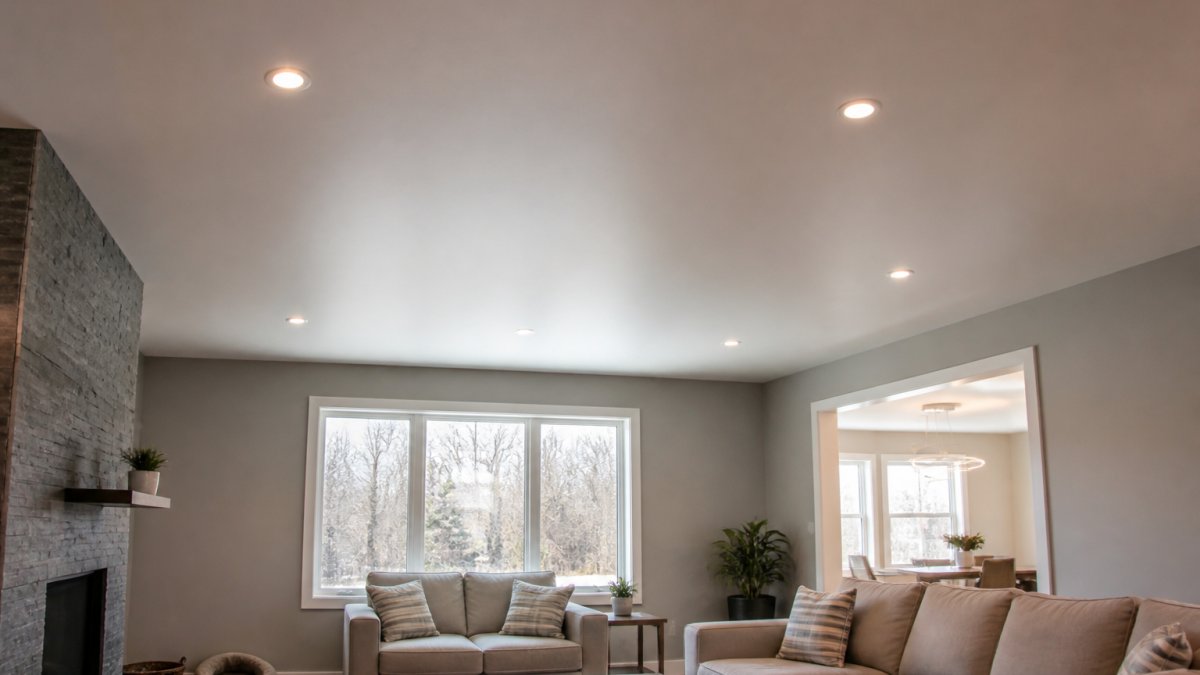
Installation is fast and clean. The frame is installed around the room's perimeter, then the membrane is attached and heat-set into place. There's no dust, no plaster, no mess. The entire process typically takes one day for an average room, and the space is immediately usable.
The membrane itself is available in various finishes. Matt finishes create a soft, contemporary look. Gloss finishes reflect light and make rooms feel larger. Textured options add visual interest. Colours range from classic white to greys, blacks, and even custom colours.
Stretch ceilings are particularly valuable in moisture-prone environments. The membrane is inherently waterproof and won't absorb odours, stains, or humidity. Indoor swimming pools, bathrooms, and kitchens are ideal candidates.
The main consideration is cost. Stretch ceilings are more expensive than panels or drop ceilings. However, they're also more durable; a quality stretch ceiling can last 15-20 years with minimal maintenance.
A cracked, stained, or outdated ceiling becomes a sleek, modern surface in a single day.
Comparing Your Options: Installation Time and Disruption
The real-world difference between these solutions comes down to three factors: how long the installation takes, how much disruption it causes, and how permanent the result is.
| Solution | Installation Time | Disruption Level | Permanence | Best For |
|---|---|---|---|---|
| Paint over stains | 1-2 days | Minimal | 3-5 years | Old stains, cosmetic fixes |
| Drop ceiling | 3-5 days | Moderate | 10+ years | Basements, utility spaces |
| Ceiling panels | 2-4 days | Low | 10-15 years | DIY-friendly, various aesthetics |
| Stretch ceiling | 1 day | Minimal | 15-20 years | High-end, moisture-prone spaces |
Paint is fastest but least durable. Stains often return within a few years, especially if the room is prone to humidity or if the underlying damage worsens. You're treating the symptom, not the problem.
Drop ceilings lower your room height by approximately 15-30 cm, which is a permanent trade-off. They're fast to install but create a utilitarian look that doesn't suit most living spaces. They're ideal for basements or garages where height isn't critical.
Ceiling panels balance speed, cost, and aesthetics. Installation is straightforward, disruption is moderate, and the result is clean and modern. The downside is visible seams and panels that may eventually sag or discolour in high-moisture areas.
Stretch ceilings are installed in a single day with minimal disruption. You don't need to empty the room or prepare the existing ceiling extensively. The membrane is attached around the perimeter, and the installation is clean. The result is a permanent, seamless finish that looks nothing like a temporary fix. This is why Stretcharama recommends stretch ceilings for homeowners who want a solution they'll never need to revisit.
Choosing the Right Solution for Your Home
The best cover for your cracked or stained ceiling depends on your priorities. Ask yourself these questions:
How much disruption can you tolerate? If you work from home or have young children, a one-day installation with minimal mess is invaluable. Traditional plastering or drop-ceiling installation creates weeks of disruption. Stretch ceilings and panels are faster. Paint is fastest but least effective.
What's your budget? Paint is cheapest. Panels are mid-range. Stretch ceilings are premium. However, consider durability; a cheap solution you'll replace in 5 years costs more over time than an expensive solution that lasts 15 years.
Is moisture a concern? If you have a bathroom, kitchen, or swimming pool room, moisture resistance matters. Stretch ceilings and PVC panels are ideal. Polystyrene panels and traditional plaster are poor choices in high-humidity environments.
Do you want a design upgrade or just a repair? If the ceiling is just damaged and you want it fixed invisibly, panels or stretch ceilings work equally well.
How long do you plan to stay in the home? If you're renting or planning to move within 5 years, a budget solution like panels makes sense. If you're staying long-term, invest in a permanent solution like a stretch ceiling.
For most homeowners in the UK seeking a permanent, high-quality solution without renovation mess, Stretcharama's stretch ceiling installation is the clear winner.
Request a consultation with Stretcharama to discuss your specific ceiling challenges. We'll assess your space, explain your options, and provide a clear recommendation based on your priorities and budget.
Transforming a damaged ceiling shouldn't mean weeks of disruption and plaster dust throughout your home. Stretcharama's stretch ceiling installation covers cracked or stained ceilings in a single day with zero mess, delivering a flawless, contemporary finish.
Frequently Asked Questions
What is the best way to cover a cracked ceiling without replastering?
Stretch ceilings and ceiling panels offer the cleanest alternatives to traditional plastering. Stretch ceilings create a seamless, modern finish with zero dust or disruption, making them ideal for occupied homes. Ceiling panels provide a quick, modular solution. Both methods cover cracks and stains permanently without the mess of removing old plaster or dealing with weeks of renovation noise.
Can I cover a water-stained ceiling without removing the existing finish?
Yes. Stretch ceilings and moisture-resistant ceiling panels can cover water stains without disturbing what's underneath. However, if the stain indicates an active leak, that must be repaired first; covering it won't stop moisture damage. Once the leak is fixed, a stretch ceiling or PVC panel system will hide the stain and provide a fresh, durable finish resistant to future moisture.
How long does a stretch ceiling installation typically take?
Most stretch ceiling installations in residential rooms take approximately one day, depending on room size and complexity. Unlike traditional plastering, which can take weeks to dry and cure, stretch ceilings are installed quickly with minimal disruption. You can use the room immediately after installation, making it ideal for busy households with children or pets.
Are stretch ceilings suitable for damp environments like pool rooms?
Yes. Stretch ceilings are specifically designed to resist moisture and are commonly used in indoor pool rooms, bathrooms, and kitchens. The material does not absorb water, prevents mould growth, and remains durable in high-humidity conditions. This makes them far superior to traditional plaster or standard ceiling tiles, which can deteriorate or develop mould in damp settings.