 comparison
How to Compare Acoustic Properties of Stretch Ceilings
Last Updated: 25 October 2026
Quick Summary
Acoustic properties stretch ceilings offer depend on membrane material, backing system, and installation methods, with performance falling into two categories: sound absorption, which traps sound waves to reduce noise, and sound reflection, which bounces sound back into the room. Fabric-based membranes typically absorb sound more effectively than rigid PVC, whilst perforated designs with acoustic backing provide superior noise control compared to standard solid membranes.
- Sound absorption coefficients for acoustic stretch ceilings typically range between 0.4 and 0.8 depending on design and frequency.
- Larger air gaps between the membrane and structural ceiling improve absorption performance, particularly for lower frequencies.
- Perforated stretch ceilings absorb sound more effectively than solid membranes but may accumulate dust in the perforations over time.
- Stretch ceilings reduce sound within a room but do not provide true sound insulation between floors or rooms.
- Specialised acoustic backing materials like mineral wool or fibreglass dramatically improve absorption compared to standard backing.
Table of Contents
- Understanding Acoustic Properties in Stretch Ceilings
- Stretch Ceiling Sound Absorption: How It Works
- Perforated Stretch Ceiling Acoustics vs Standard Membranes
- Sound Absorption Coefficient Ceiling Ratings Explained
- Stretch Ceiling Sound Insulation: What You Need to Know
- Material and Installation Impact on Acoustic Performance
- Choosing the Right Acoustic Stretch Ceiling for Your Space
- Frequently Asked Questions
Understanding Acoustic Properties in Stretch Ceilings
When you're considering the acoustic properties stretch ceilings offer and how to compare them, you're really asking about how different ceiling materials handle sound. At Stretcharama, we work with homeowners who want to transform their spaces without disruption.
Acoustic performance in stretch ceilings depends on several factors: the membrane material itself, the backing system behind it, installation methods, and the room's overall design. Some stretch ceilings absorb sound effectively, whilst others reflect it. The distinction matters because it changes how a room feels and functions.
The acoustic properties stretch ceilings offer fall into two main categories: sound absorption and sound reflection. Sound absorption happens when material traps sound waves, reducing noise levels in the room (Sound Absorption of the Absorber Composed of a Shunt Loudspeaker and Porous Materials in...). Sound reflection occurs when sound bounces off a hard surface. Most residential applications benefit from absorption, which creates a quieter, more comfortable environment.
Stretch Ceiling Sound Absorption: How It Works
Sound absorption in stretch ceilings works through material composition and design. When sound waves hit an absorbent membrane, some energy gets trapped within the material's structure rather than bouncing back into the room. This reduces overall noise levels and makes conversation easier.
Fabric-based stretch ceilings typically absorb sound more effectively than rigid PVC membranes. The fabric's porous nature allows sound to penetrate and dissipate. Installation matters too, the air gap between the membrane and the structural ceiling above creates an additional acoustic buffer. A larger air gap generally improves absorption performance.
Different rooms need different absorption levels. A bedroom might benefit from moderate absorption to reduce outside noise and create a peaceful environment. A kitchen or bathroom might need less absorption since some sound reflection prevents the space from feeling dead or hollow. The goal is balance rather than maximum absorption.
Many homeowners are surprised to learn that more absorption isn't always better. Overly absorbent ceilings can make a room feel muffled and uncomfortable. The ideal acoustic stretch ceiling provides enough absorption to control unwanted noise without eliminating all reflectivity that makes a space feel natural.
Perforated Stretch Ceiling Acoustics vs Standard Membranes
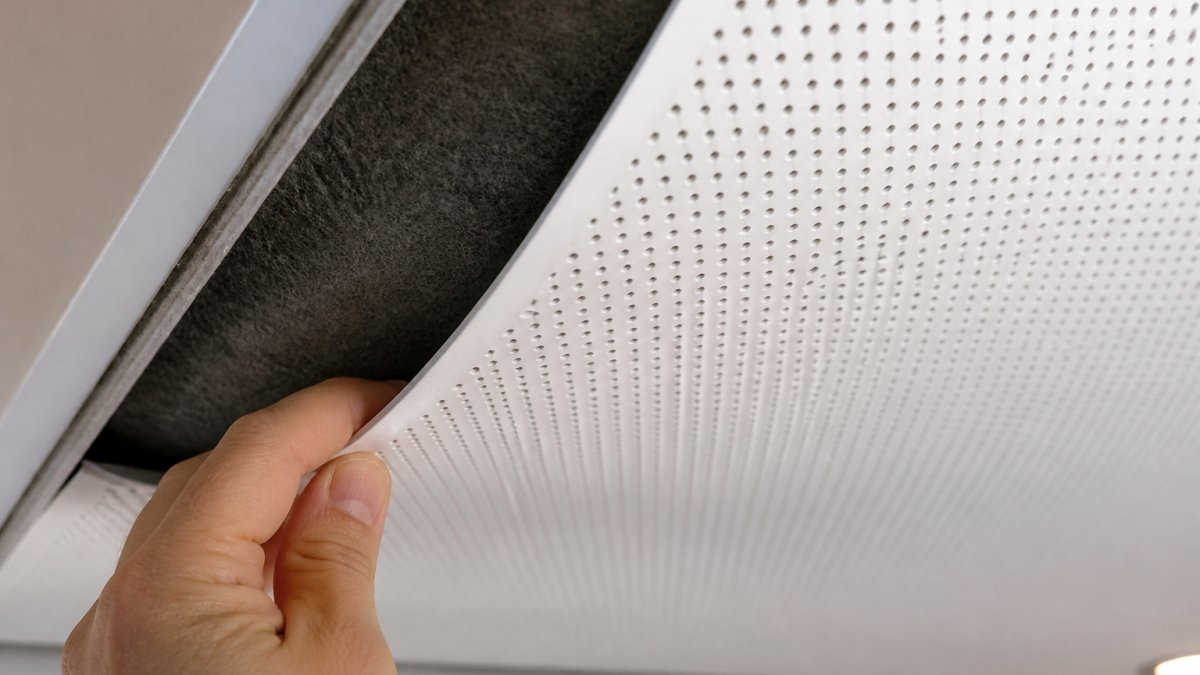
Perforated stretch ceilings have small holes throughout the membrane that allow sound to pass through to an acoustic backing layer behind. This design significantly improves sound absorption compared to solid membranes. The perforations work alongside the backing material to trap sound energy effectively.
Standard solid membranes, by contrast, rely on the material's inherent properties and the air gap above for acoustic performance. They're simpler to install and easier to clean, but they generally don't absorb sound as well as perforated systems. For spaces where noise control is critical, perforated options deliver better results.
The choice between perforated and standard depends on your priorities. Perforated systems excel at noise reduction but may show dust accumulation in the perforations over time. Standard membranes are more forgiving to maintain and work well in spaces where moderate acoustic control is sufficient.
Installation technique affects both types equally. A poorly installed ceiling, whether perforated or standard, won't perform to its acoustic potential. Proper spacing, secure fastening, and correct backing material placement all contribute to final performance.
Sound Absorption Coefficient Ceiling Ratings Explained
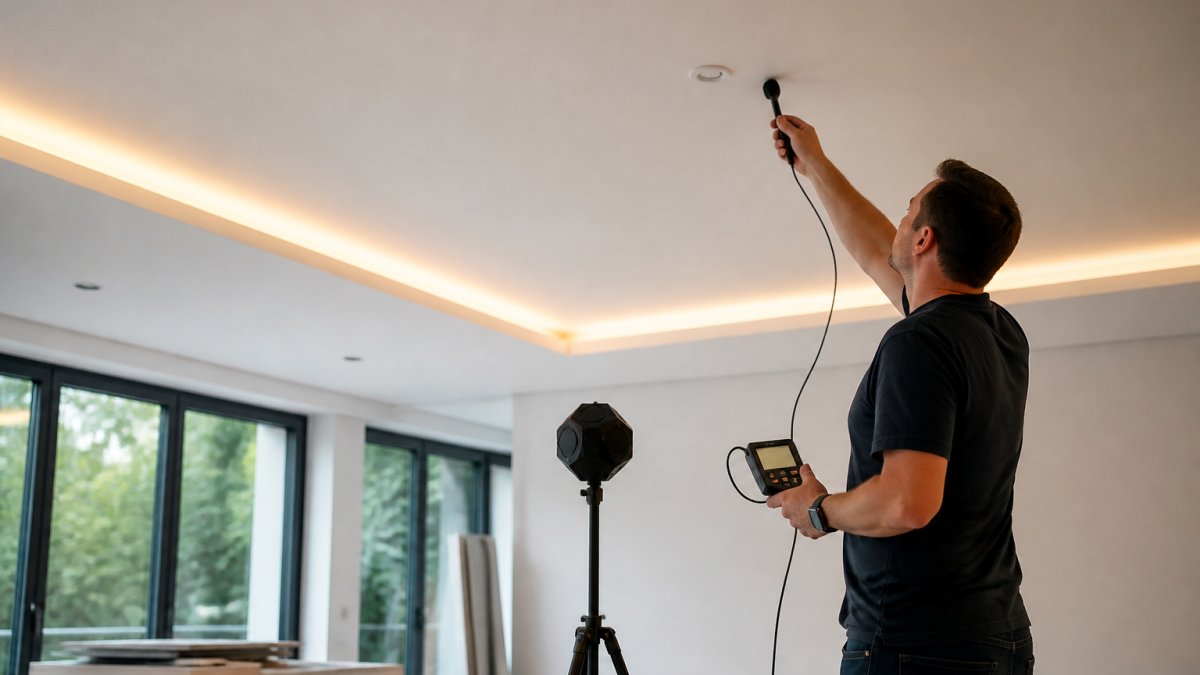
Sound absorption coefficients measure how much sound a material absorbs at different frequencies. The scale runs from 0 to 1, where 0 means the material reflects all sound and 1 means it absorbs all sound. Most acoustic stretch ceilings fall between 0.4 and 0.8 depending on their design.
Different frequencies behave differently. Low frequencies (bass sounds) are harder to absorb and require thicker materials or specialised designs. Mid and high frequencies (speech, music) are easier to control with standard acoustic materials. A ceiling's performance across this frequency range determines how well it handles real-world noise.
When comparing acoustic properties of stretch ceilings, look at the absorption coefficient across multiple frequencies rather than a single number. A material that absorbs 0.7 at high frequencies but only 0.3 at low frequencies tells a different story than one that maintains 0.6 across all frequencies.
Manufacturers typically provide absorption data in tables showing performance at 125Hz, 250Hz, 500Hz, 1000Hz, 2000Hz, and 4000Hz. Understanding where your problem noise sits on this spectrum helps you choose the right ceiling. Traffic noise centres on lower frequencies, whilst office chatter and music occupy higher ranges.
Most acoustic stretch ceilings fall within a specific range of sound absorption coefficients, with performance varying across different frequencies.
| Frequency (Hz) | Typical Use | Performance Challenge |
|---|---|---|
| 125 | Low frequency baseline | Harder to absorb |
| 250 | Low frequency baseline | Harder to absorb |
| 500 | Mid frequency | Easier to control |
| 1000 | Mid to high frequency | Easier to control |
| 2000 | High frequency (speech, music) | Easier to control |
| 4000 | High frequency (speech, music) | Easier to control |
Stretch Ceiling Sound Insulation: What You Need to Know
Sound insulation differs from sound absorption. Insulation blocks sound from travelling between spaces, a crucial distinction. A ceiling might absorb sound within a room but still allow noise from above to pass through. Sound insulation requires mass, density, and proper sealing.
Stretch ceilings alone don't provide true sound insulation between floors or rooms. They can reduce sound transmission slightly through the air gap and backing material, but they won't stop determined noise from passing through. If you need serious sound blocking between spaces, you need additional measures: denser backing materials, sealed penetrations, or structural solutions.
For indoor swimming pools and moisture-prone environments, acoustic stretch ceilings offer unique advantages. Your indoor pool ceiling has to do more than look good, it needs to handle moisture whilst controlling the acoustic reflections that make wet spaces sound chaotic.
Many homeowners confuse the two terms and expect stretch ceilings to solve neighbour noise or traffic sound problems. Realistic expectations matter. Use stretch ceilings to improve the acoustic environment within your own space, not to isolate yourself from external noise.
Material and Installation Impact on Acoustic Performance
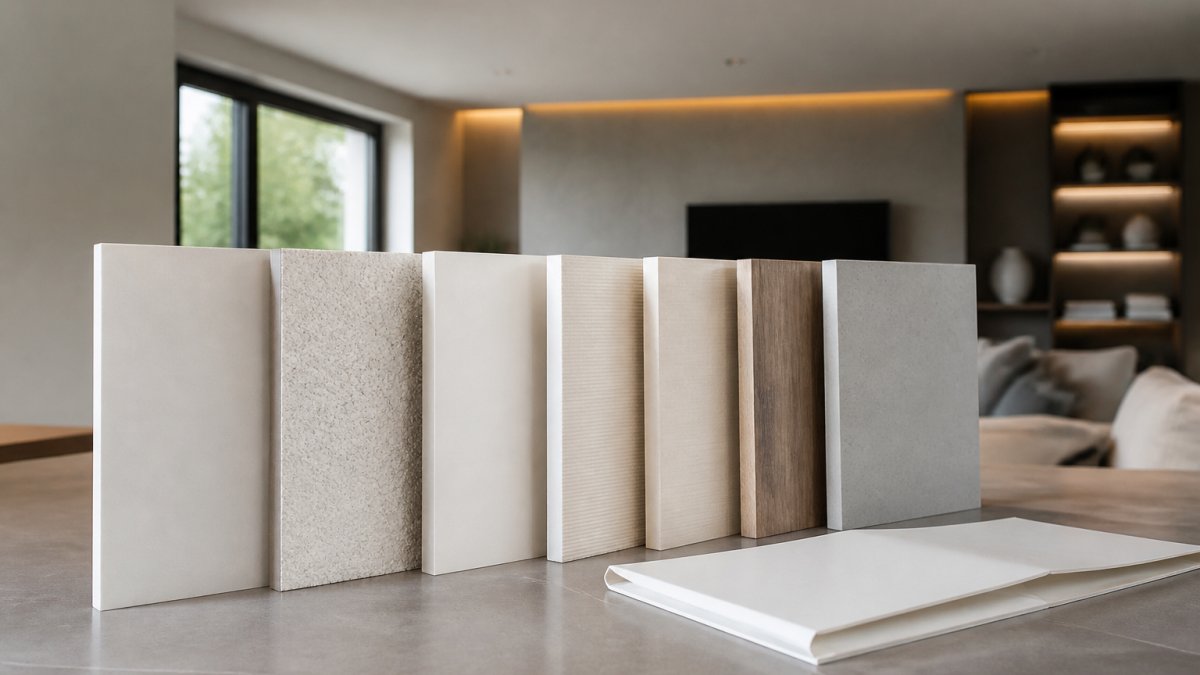
The membrane material itself, whether PVC, polyester fabric, or a specialised acoustic blend, determines baseline acoustic properties. PVC tends to be harder and more reflective. Fabric membranes offer better absorption. Specialised acoustic fabrics engineered for sound control outperform both.
Backing materials make an enormous difference. Standard backing offers minimal acoustic benefit. Specialised acoustic backing, often mineral wool or fibreglass, dramatically improves absorption. The thickness of backing material directly correlates with performance. Thicker backing absorbs more sound, particularly at lower frequencies.
Installation gaps and spacing affect performance significantly. The air space between the membrane and the structural ceiling acts as an acoustic chamber. Larger gaps improve absorption, particularly for lower frequencies. Proper installation ensures this air space remains consistent across the entire ceiling.
Fastening methods and sealing influence sound transmission through the ceiling. Loose fasteners create vibration paths that degrade acoustic performance. Sealed edges and penetrations prevent sound from leaking around the membrane. Professional installation ensures these details receive proper attention.
Temperature and humidity affect some membrane materials, potentially changing their acoustic properties over time. Stretch ceilings designed for moisture-prone spaces use materials that maintain performance despite environmental changes. This matters in bathrooms, kitchens, and especially indoor pool areas where conditions are challenging.
Choosing the Right Acoustic Stretch Ceiling for Your Space
Selecting the right acoustic stretch ceiling starts with understanding your space's specific needs. A quiet bedroom needs different acoustic treatment than a kitchen. High-traffic areas need more absorption than low-traffic ones. Which stretch ceiling finish is best for my room? depends on your noise environment and design preferences.
Consider the existing noise problems in your space. Echoing kitchens benefit from absorption. Rooms with outside traffic noise need thicker backing materials. Spaces where you want natural sound reflection, like dining rooms, might use standard membranes rather than heavily absorbent options.
Your maintenance tolerance matters too. Perforated ceilings trap dust in their holes and require periodic cleaning. Solid membranes stay cleaner longer. If you have pets or live in a dusty area, solid membranes might suit you better despite slightly lower acoustic performance.
Budget influences your choices. Installation costs depend on room size, complexity, and whether you're covering existing damaged ceilings or replacing functioning ones.
Choose the ceiling finish your room deserves by considering all these factors together. The best acoustic stretch ceiling for your space balances acoustic performance, maintenance requirements, design aesthetics, and your budget. Tell us about the ceiling your home deserves and we can help you find the right solution.
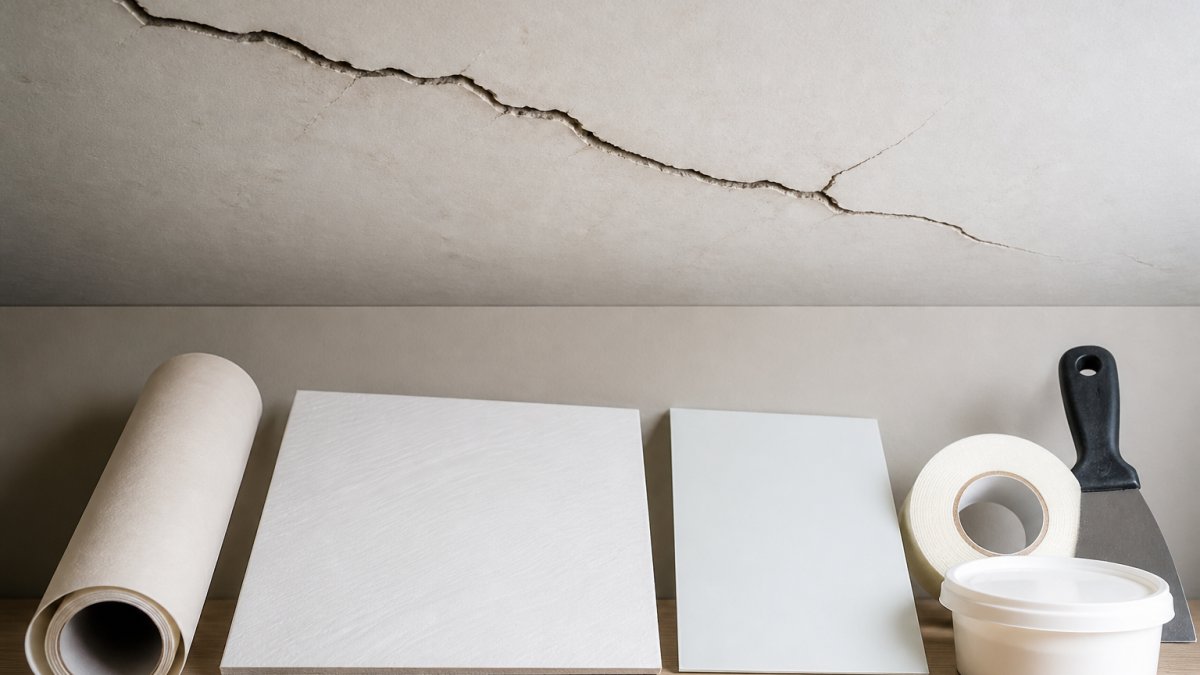
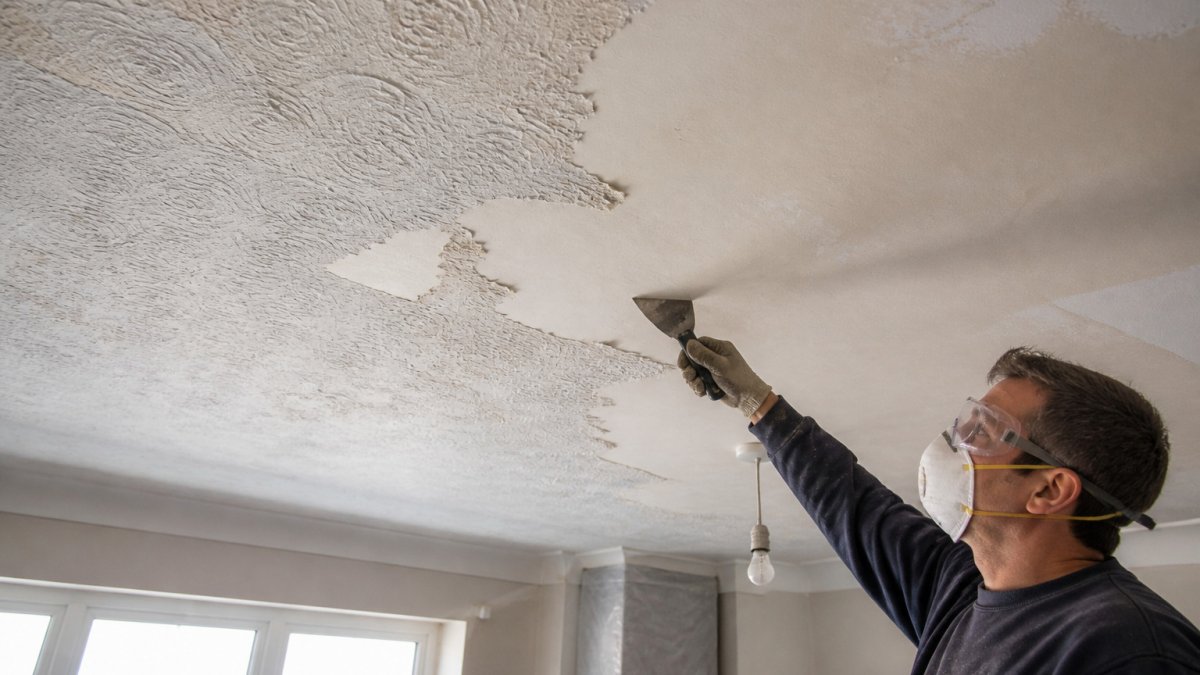
The right acoustic stretch ceiling transforms how your space sounds and feels. Stretcharama specialises in installing premium stretch ceilings that solve acoustic challenges whilst covering cracked, stained, or outdated ceilings without the mess and disruption of traditional plastering. Our installations provide flawless finishes in residential spaces, including moisture-resistant solutions for indoor pool environments. Get started with Stretcharama and discover how the right ceiling can improve your home's acoustic performance and aesthetic appeal.
Frequently Asked Questions
Do stretch ceilings improve room acoustics?
Acoustic stretch ceilings can improve how sound behaves in a room by absorbing background noise and reducing reverberation, making conversation more comfortable. However, they differ from sound insulation, they manage noise within a space rather than blocking sound transmission between rooms. The improvement depends on the membrane type, backing material, and installation method chosen.
What is the difference between sound absorption and sound insulation in acoustic properties of stretch ceilings?
Sound absorption refers to how well a ceiling soaks up noise within a room, reducing echo and background noise. Sound insulation blocks sound travelling between spaces. Acoustic stretch ceilings typically excel at absorption, making them ideal for restaurants, offices, and living areas where clarity matters. They provide limited insulation against external noise or sound from adjacent rooms.
Are perforated stretch ceilings more effective than standard membranes for sound absorption?
Perforated membranes combined with acoustic backing materials generally perform better for sound absorption than non-perforated options. The perforations allow sound waves to pass through to the backing layer, where they are absorbed. Standard, non-perforated membranes reflect more sound rather than absorbing it, making them less effective in acoustically demanding environments.
What should you compare when choosing an acoustic stretch ceiling?
Compare the sound absorption coefficient rating, membrane perforation design, backing material type, and how the installation will interact with your room's dimensions and existing surfaces. Consider your specific need, whether you want to reduce echo in a large space, control background noise in a busy area, or simply improve acoustic comfort. Discuss these factors with your installer to ensure the system matches your room's acoustic goals.